The Kinzua Viaduct: A Complete Guide to History, Ruins, and Modern-Day Wonder
The Kinzua Viaduct stands as one of the most fascinating historical landmarks in Pennsylvania and the United States. Once known as the tallest and longest railroad bridge in the world, the Kinzua Viaduct represents a powerful symbol of American engineering, innovation, and resilience. Even after its partial destruction, the site continues to attract visitors, photographers, history lovers, and adventure seekers from around the globe.
Today, the remains of the structure, now part of Kinzua Bridge State Park, tell a compelling story of ambition, progress, natural forces, and rebirth. From its impressive construction in the 19th century to its transformation into a scenic skywalk, the Kinzua Viaduct continues to inspire generations.
This in-depth guide explores the full story of the Kinzua Viaduct—its origins, engineering brilliance, collapse, transformation, tourism value, and cultural importance—making it the ultimate resource for anyone interested in this iconic landmark.
The History of the Kinzua Viaduct
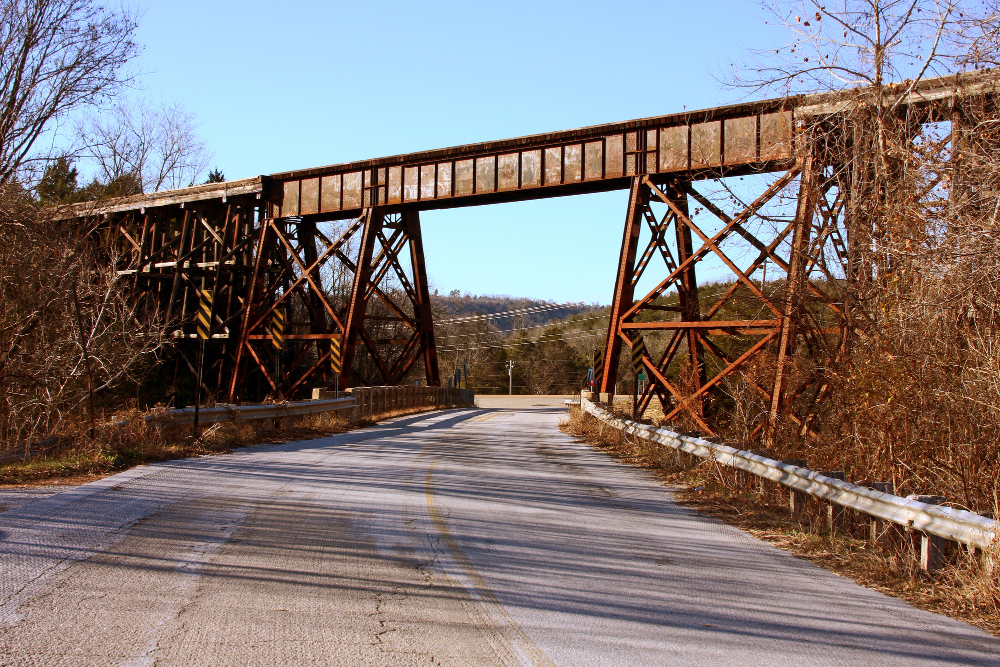
The story of the Kinzua Viaduct begins in the late 1800s during the height of America’s industrial expansion. Built in 1882, the viaduct was constructed to help transport coal, timber, and other industrial materials across the deep Kinzua Gorge in northwestern Pennsylvania.
At the time of its completion, the structure reached an incredible height of over 300 feet and stretched more than 2,000 feet across the valley. This made it not only the tallest bridge in the world but also one of the most ambitious engineering projects of its era.
The original bridge was made primarily of wrought iron and was designed to support steam locomotives and heavy freight trains. As technology advanced, the viaduct was rebuilt in steel in the early 1900s to accommodate heavier trains and increased industrial demand.
For decades, the Kinzua Viaduct played a crucial role in regional economic development. It connected remote areas, supported industry, and symbolized the unstoppable growth of American infrastructure.
Engineering Marvel of Its Time
The Kinzua Viaduct was not just a bridge—it was a revolutionary engineering achievement. Its towering height, massive steel framework, and bold design pushed the limits of what was thought possible in bridge construction.
Key engineering highlights included:
- Extreme height and length for 19th-century construction standards
- Modular steel design that allowed faster assembly
- Wind-resistant structure for stability in harsh weather
- Precision alignment across a deep, rugged gorge
Engineers had to work with limited technology, basic tools, and dangerous conditions. The success of the project demonstrated human ingenuity and problem-solving at an extraordinary scale.
The Collapse: A Turning Point in History
In 2003, a powerful tornado struck the region and caused a devastating collapse of the Kinzua Viaduct. Several towers were torn from their foundations and fell into the valley below, leaving the bridge partially destroyed.
This natural disaster marked a major turning point in the site’s history. While restoration of the full bridge was not possible, the remaining structure was preserved and reimagined as a new type of attraction.
Rather than being forgotten, the Kinzua Viaduct entered a new chapter—one focused on tourism, education, and preservation.
Transformation into Kinzua Bridge State Park
The remains of the bridge were incorporated into Kinzua Bridge State Park, turning the historical ruins into a powerful tourism and educational destination.
One of the most remarkable additions to the site is the Skywalk, a pedestrian walkway that extends out onto the remaining bridge structure. Visitors can walk high above the valley and experience breathtaking views of the gorge, forests, and fallen bridge towers below.
Glass-floor viewing platforms allow visitors to look straight down into the valley, creating a thrilling and unforgettable experience.
The park now includes:
- Scenic hiking trails
- Observation decks
- Educational exhibits
- Visitor facilities
- Photography viewpoints
- Nature exploration areas
This transformation has preserved the spirit of the Kinzua Viaduct while adapting it for modern visitors.
Tourism and Visitor Experience
The Kinzua Viaduct is now one of the most visited attractions in northwestern Pennsylvania. It appeals to a wide range of visitors, including:
- History enthusiasts
- Nature lovers
- Adventure travelers
- Photographers
- Families
- Students and researchers
The site offers a unique blend of history, nature, and adrenaline. Visitors can explore the ruins, walk the skywalk, hike forest trails, and learn about engineering history in one immersive experience.
Seasonal changes make each visit unique. In fall, the surrounding forests transform into vibrant colors. In spring and summer, the greenery and waterfalls create a peaceful atmosphere. In winter, snow-covered ruins offer a dramatic and hauntingly beautiful landscape.
Cultural and Educational Significance
Beyond tourism, the Kinzua Viaduct serves as an educational landmark. It provides real-world lessons in:
- Engineering history
- Structural design
- Environmental forces
- Disaster impact
- Historical preservation
- Infrastructure evolution
Schools, universities, and research groups use the site as a learning resource, making it an open-air classroom for future engineers, architects, and historians.
The viaduct also holds cultural value as a symbol of ambition and resilience. Its collapse and rebirth represent the balance between human achievement and natural power.
Photography and Visual Appeal
The Kinzua Viaduct is one of the most photographed locations in Pennsylvania. The contrast between massive steel ruins and natural landscapes creates stunning visuals.
Popular photography subjects include:
- Fallen bridge towers
- The skywalk platform
- Gorge views
- Forest landscapes
- Foggy valley scenes
- Sunrise and sunset shots
Drone photography, professional shoots, and cinematic footage have helped increase the global recognition of the site.
Why the Kinzua Viaduct Still Matters Today
Even in its partially destroyed state, the Kinzua Viaduct remains one of America’s most powerful historical landmarks. It represents:
- The ambition of industrial America
- Engineering innovation
- Human resilience
- Respect for natural forces
- The importance of preservation
Instead of disappearing into history, the viaduct evolved into something new—a place where the past and present meet.
Future of the Kinzua Viaduct
The future of the Kinzua Viaduct looks strong as tourism continues to grow. Conservation efforts, park development, and educational programs ensure the site remains protected and accessible for generations to come.
Sustainable tourism practices help preserve the environment while allowing visitors to enjoy the experience responsibly.
As technology advances, virtual tours, interactive exhibits, and digital storytelling may further enhance the visitor experience.
Final Thoughts
The Kinzua Viaduct is more than a bridge—it is a story carved into steel, stone, and landscape. From its historic construction to its dramatic collapse and inspiring transformation, it stands as a symbol of human ambition and natural power.