Blue Hole Pennsylvania: The Complete Guide to This Mysterious Natural Wonder
When people search for hidden natural attractions in the Keystone State, one name often sparks curiosity and intrigue: Blue Hole Pennsylvania. Known for its striking blue water, mysterious depth, and local legends, Blue Hole has become one of the most talked-about natural swimming holes in Pennsylvania. Whether you’re a nature enthusiast, adventure seeker, or simply curious about the myths surrounding this iconic spot, this guide covers everything you need to know.
In this in-depth article, we’ll explore what Blue Hole Pennsylvania is, where it’s located, why it’s so famous, the science behind its color, safety concerns, and whether it’s worth visiting today.
What Is Blue Hole Pennsylvania?
Blue Hole Pennsylvania refers to a natural water formation known for its deep blue color and crystal-clear appearance. Unlike typical lakes or ponds, Blue Hole is often described as a flooded quarry, spring, or limestone sinkhole, depending on the specific location being discussed.
Over the years, the name “Blue Hole” has been used to describe multiple sites across Pennsylvania, but they all share similar characteristics:
- Extremely clear blue water
- Sudden depth drop-offs
- Cold water temperatures
- A reputation for danger and mystery
Because of these traits, Blue Hole Pennsylvania has gained both popularity and controversy.
Where Is Blue Hole Pennsylvania Located?
There isn’t just one officially recognized Blue Hole in Pennsylvania. Instead, several locations across the state carry the nickname. Some of the most well-known Blue Hole sites are found in:
- Eastern Pennsylvania
- Central Pennsylvania
- Near former quarry or mining areas
Many of these locations are on private land or in restricted areas, which has made access increasingly limited over the years. Despite this, online searches for “blue hole pennsylvania” continue to rise as people try to locate the most famous version.
Why Is Blue Hole Pennsylvania So Famous?
Blue Hole Pennsylvania became famous for several reasons:
1. Its Unnatural Blue Color
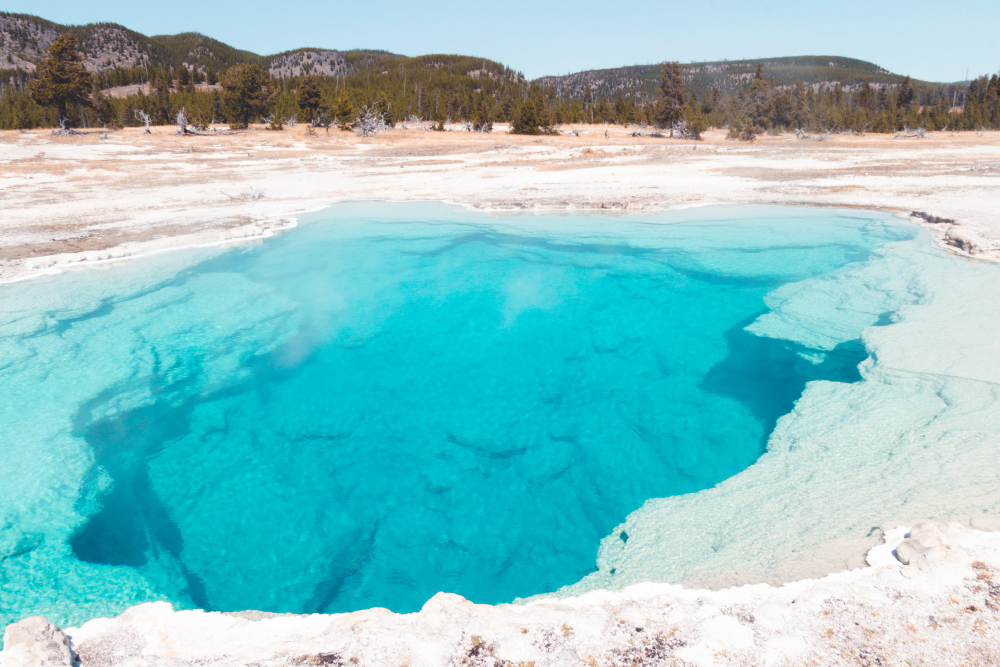
The water appears bright blue or turquoise, giving it an almost tropical look. This is rare in Pennsylvania and instantly draws attention.
2. Local Legends and Myths
Stories of bottomless depths, underwater caves, and unexplained disappearances have fueled its mystique. Some locals claim the water “changes color” or “pulls swimmers under.”
3. Social Media Exposure
Photos and videos shared online have turned Blue Hole into a viral destination, especially among younger adventure seekers.
4. Dangerous Reputation
Unfortunately, Blue Hole Pennsylvania is also known for tragic accidents, which has added to its notoriety.
Why Is the Water So Blue?
One of the most frequently asked questions about Blue Hole Pennsylvania is why the water is so vividly blue.
The explanation is scientific, not supernatural:
- Depth and Clarity: The water is extremely clear, allowing sunlight to penetrate deeply.
- Mineral Content: Limestone and other minerals reflect blue wavelengths of light.
- Lack of Algae: Cold temperatures and limited nutrients prevent algae growth, keeping the water clear.
Together, these factors create the illusion of a glowing blue pool.
How Deep Is Blue Hole Pennsylvania?
Depth is another major reason Blue Hole Pennsylvania is so dangerous.
In many locations:
- The depth can exceed 100 feet
- Drop-offs happen suddenly, sometimes just a few steps from shore
- Visibility can be misleading, making the water seem shallow when it’s not
Because of this, even strong swimmers can get into trouble quickly.
Is Blue Hole Pennsylvania Safe to Swim In?
Short answer: No, it is not considered safe.
Despite its beauty, Blue Hole Pennsylvania is widely regarded as a hazardous swimming location.
Common Safety Risks Include:
- Sudden deep water
- Extremely cold temperatures
- Underwater ledges and rocks
- Lack of lifeguards or safety infrastructure
- Limited exit points
Cold water shock is a major risk, even in summer. When the body enters very cold water, muscles can seize, making swimming nearly impossible.
Why Have There Been Accidents at Blue Hole Pennsylvania?
Sadly, Blue Hole Pennsylvania has been associated with multiple drowning incidents over the years. The most common contributing factors include:
- Overconfidence in swimming ability
- Jumping or diving from rocks
- Underestimating water depth
- Swimming alone or without supervision
These incidents have prompted authorities to issue warnings and, in some cases, restrict access entirely.
Is Blue Hole Pennsylvania Legal to Visit?
This depends on the specific location.
Many Blue Hole sites in Pennsylvania are:
- On private property
- Marked with no trespassing signs
- Actively monitored by local authorities
Trespassing can result in fines or legal trouble. Always verify land ownership and local regulations before attempting to visit.
Blue Hole Pennsylvania and Local Legends
The mystery surrounding Blue Hole Pennsylvania has given rise to countless stories, including:
- Claims that the hole has no bottom
- Rumors of underwater tunnels connecting to distant rivers
- Tales of objects never resurfacing once dropped
- Stories of eerie temperature changes beneath the surface
While these legends are not scientifically proven, they add to the cultural significance of the site.
Environmental Impact and Preservation
Increased attention has led to environmental concerns at Blue Hole Pennsylvania locations.
Major Issues Include:
- Littering and pollution
- Damage to surrounding vegetation
- Disturbance of wildlife
- Erosion from foot traffic
As a result, many local communities advocate for preservation rather than promotion.
Alternatives to Blue Hole Pennsylvania
If you’re attracted to Blue Hole Pennsylvania for its beauty rather than danger, there are safer alternatives across the state.
Consider exploring:
- Designated state park swimming areas
- Natural lakes with lifeguards
- Clear-water rivers approved for recreation
- Scenic overlooks instead of swimming holes
These options allow you to enjoy nature without unnecessary risk.
Can You Take Photos at Blue Hole Pennsylvania?
Photography is one reason people continue searching for Blue Hole Pennsylvania.
If access is legal and permitted:
- Photos can capture stunning blue reflections
- Early morning light offers the best results
- Aerial views (where allowed) show the water’s depth clearly
However, safety and legality should always come first.
Why People Still Search for “Blue Hole Pennsylvania”
Despite warnings and restrictions, the keyword blue hole pennsylvania remains popular due to:
- Curiosity fueled by mystery
- Desire for unique travel experiences
- Viral content online
- Interest in unexplored locations
This makes it a high-interest topic for blogs, travel discussions, and local history sites.
Final Thoughts on Blue Hole Pennsylvania
Blue Hole Pennsylvania is a fascinating example of how natural beauty and danger can exist side by side. Its vibrant blue water, mysterious depth, and legendary reputation make it one of the most talked-about natural sites in the state.
However, admiration should be paired with caution. While Blue Hole is visually stunning, it is not a safe recreational destination. Respecting the environment, obeying local laws, and prioritizing personal safety are essential when discussing or exploring places like this.