Ricketts Glen Trail Map: Your Complete Guide to Exploring Pennsylvania’s Most Scenic Hiking Trails

If you’re planning a visit to one of Pennsylvania’s most breathtaking natural destinations, understanding the Ricketts Glen trail map is absolutely essential. Ricketts Glen State Park is famous for its dramatic waterfalls, rugged forest landscapes, and well-maintained hiking paths that attract outdoor enthusiasts from across the country. Whether you’re a beginner hiker or an experienced adventurer, having a clear grasp of the trail layout can make your experience safer, smoother, and far more enjoyable.
In this detailed guide, we’ll explore everything you need to know about the Ricketts Glen trail map, including trail types, difficulty levels, seasonal considerations, and tips for planning the perfect hike.
Overview of Ricketts Glen State Park
Ricketts Glen State Park is a vast natural area known for its old-growth forests, rocky terrain, and cascading waterfalls. The park spans thousands of acres and features a diverse ecosystem that changes dramatically with the seasons. At the heart of the park is the famous Falls Trail System, which showcases a remarkable concentration of waterfalls in a relatively compact area.
The Ricketts Glen trail map is designed to help visitors navigate this extensive network of trails, ensuring hikers can plan routes that match their skill level, time availability, and interests.
Why the Ricketts Glen Trail Map Is So Important
The terrain at Ricketts Glen can be challenging, with steep climbs, uneven stone steps, and slippery surfaces near waterfalls. A detailed trail map helps you:
- Understand trail distances and elevations
- Identify trailheads and parking areas
- Choose routes based on difficulty level
- Avoid restricted or unsafe areas
- Plan rest stops and scenic viewpoints
Without a proper trail map, hikers may underestimate the difficulty of certain paths or miss out on iconic park features.
Key Trails Featured on the Ricketts Glen Trail Map
The Ricketts Glen trail map highlights a variety of trails, each offering a unique perspective of the park’s natural beauty.
Falls Trail System
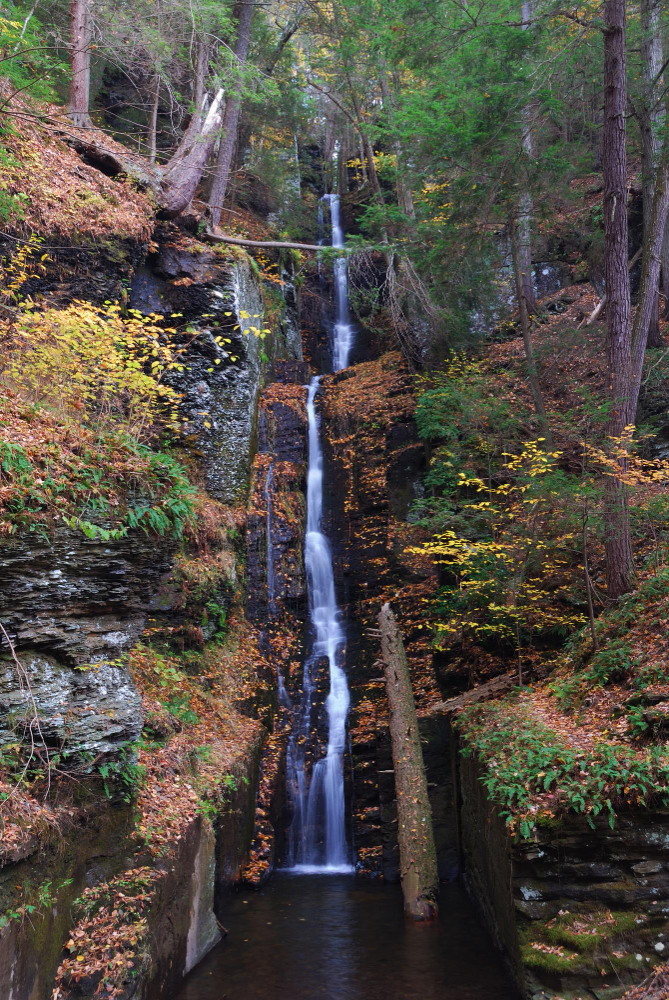
The Falls Trail System is the centerpiece of the park and the most popular feature on the map. This loop trail takes hikers past more than 20 named waterfalls, ranging from small cascades to towering drops surrounded by rock formations.
The trail is marked clearly on the map and includes both upper and lower sections. While stunning, it is considered strenuous due to steep grades and uneven steps.
Highland Trail
The Highland Trail is a longer, more moderate option that winds through forested areas and offers occasional views of the surrounding landscape. On the Ricketts Glen trail map, it appears as a connector trail that allows hikers to extend their journey beyond the waterfalls.
This trail is ideal for those seeking a quieter experience away from crowded areas.
Evergreen Trail
The Evergreen Trail is a shorter and relatively easy path, making it suitable for families or casual hikers. It is clearly labeled on the trail map and provides a peaceful walk through dense evergreen forests.
This trail can also be used as an access route to other parts of the park.
Lake Rose Trail
Lake Rose Trail circles the scenic lake near the center of the park. According to the Ricketts Glen trail map, this is one of the flattest and most accessible trails available.
It’s perfect for leisurely walks, photography, and wildlife observation.
Understanding Trail Difficulty Levels
The Ricketts Glen trail map uses visual indicators to help hikers assess trail difficulty. These typically include symbols or color coding that differentiate easy, moderate, and strenuous routes.
- Easy trails are generally flat, wide, and well-maintained
- Moderate trails include some elevation changes and uneven terrain
- Strenuous trails involve steep climbs, rocky paths, and challenging steps
Knowing how to read these indicators can help you avoid trails that may be too demanding for your experience level.
How to Read Elevation Changes on the Trail Map
One of the most overlooked aspects of the Ricketts Glen trail map is elevation information. Elevation changes are critical because even short trails can be physically demanding if they involve steep ascents or descents.
The map often displays contour lines or elevation markers that show how the land rises and falls. Closely spaced lines indicate steep areas, while wider spacing suggests gentler slopes.
Paying attention to these details can help you pace yourself and plan rest breaks effectively.
Seasonal Considerations When Using the Trail Map
The Ricketts Glen trail map remains useful year-round, but conditions change dramatically with the seasons.
Spring
Spring brings flowing waterfalls and vibrant greenery, but trails may be muddy and slippery. The map helps identify safer routes and alternate trails during wet conditions.
Summer
Summer is peak hiking season. While all trails on the map are typically accessible, popular routes can become crowded. Early starts and careful planning using the map can help you avoid congestion.
Fall
Autumn offers stunning foliage views. The trail map is especially helpful for choosing longer scenic loops that showcase fall colors across different elevations.
Winter
Winter hiking requires extra caution. Some trails shown on the Ricketts Glen trail map may be icy or partially closed. Always verify which routes are safe during colder months.
Planning Your Hike Using the Ricketts Glen Trail Map
A successful hike starts with thoughtful planning. Before heading out, study the trail map and consider the following:
- Total distance and estimated hiking time
- Elevation gain and trail difficulty
- Access points and parking locations
- Emergency exit routes or connector trails
Marking your intended route on the map can help prevent wrong turns and reduce stress during the hike.
Safety Tips Based on Trail Map Features
The Ricketts Glen trail map also serves as a safety tool. It highlights steep sections, water crossings, and areas where extra caution is needed.
Important safety tips include:
- Staying on marked trails shown on the map
- Avoiding shortcuts that are not indicated
- Respecting closed or restricted areas
- Carrying a physical or offline copy of the trail map
Cell service can be unreliable, so relying solely on mobile navigation is not recommended.
Accessibility and Family-Friendly Routes
Not all trails at Ricketts Glen are physically demanding. The trail map makes it easier to identify accessible and family-friendly options.
Paths around Lake Rose and select forest trails offer smoother surfaces and minimal elevation changes. These routes are ideal for children, older visitors, or anyone seeking a relaxed outdoor experience.
Wildlife and Scenic Viewpoints Marked on the Map
The Ricketts Glen trail map often highlights scenic overlooks, picnic areas, and points of interest. These locations are perfect for photography, birdwatching, or quiet reflection.
Wildlife sightings are common throughout the park, and understanding the trail layout helps visitors move respectfully through natural habitats.
Tips for First-Time Visitors
If this is your first visit, the Ricketts Glen trail map can feel overwhelming at first glance. Here are a few beginner-friendly tips:
- Start with shorter loops clearly marked on the map
- Allow extra time for rest and photos
- Avoid attempting multiple strenuous trails in one day
- Familiarize yourself with trail symbols before hiking
With a little preparation, even first-time hikers can enjoy a rewarding experience.
Final Thoughts on the Ricketts Glen Trail Map
The Ricketts Glen trail map is more than just a navigation tool—it’s the key to unlocking one of Pennsylvania’s most remarkable outdoor destinations. By understanding trail routes, difficulty levels, elevation changes, and seasonal conditions, you can tailor your hike to your abilities and interests.