
Lanterman’s Mill: A Timeless Landmark of History, Craftsmanship, and Natural Beauty
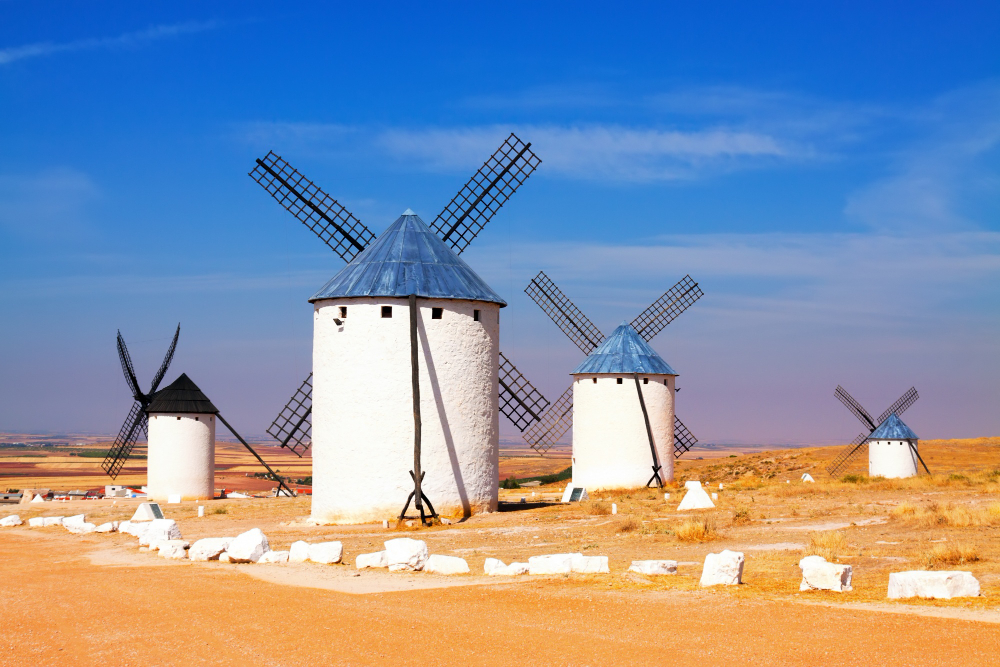
Lanterman’s Mill is one of the most treasured historic landmarks in northeastern Ohio, offering visitors a unique blend of history, architecture, and scenic beauty. Nestled within a picturesque park setting, this restored 19th-century gristmill stands as a testament to early American industry and community life. Whether you are a history enthusiast, a nature lover, or someone looking for a peaceful getaway, Lanterman’s Mill provides an unforgettable experience rooted in tradition and craftsmanship.
In this comprehensive guide, we explore the history, significance, architecture, visitor experience, and cultural importance of Lanterman’s Mill, making it clear why this destination continues to attract thousands of visitors each year.
The Historical Background of Lanterman’s Mill
Lanterman’s Mill traces its origins back to the mid-1800s, a period when mills played a vital role in everyday life. Built during a time when communities relied heavily on local agriculture, the mill was designed to grind grain into flour and cornmeal for nearby farms. This practical function made it a cornerstone of economic and social activity in the region.
The mill was named after the Lanterman family, who were influential in the area’s development. Like many mills of its era, it operated using water power, harnessing the natural flow of the nearby creek to turn massive wooden gears and millstones. Over time, as industrialization advanced and modern milling methods emerged, the mill eventually ceased commercial operations.
Despite falling into disuse, Lanterman’s Mill was never forgotten. Preservation efforts ensured that it would be restored not merely as a static monument, but as a fully functional working mill, allowing future generations to witness traditional milling techniques in action.
Architectural Design and Engineering Excellence
One of the most striking features of Lanterman’s Mill is its authentic architectural design. The structure reflects classic 19th-century mill construction, characterized by sturdy timber framing, stone foundations, and practical yet elegant craftsmanship.
Traditional Mill Construction
The mill’s wooden beams, floors, and interior mechanisms were constructed using techniques common to early American builders. These methods emphasized durability and efficiency, ensuring that the mill could withstand years of constant operation.
Inside, visitors can observe the intricate system of gears, shafts, belts, and millstones that work together to grind grain. Each component plays a specific role, demonstrating the ingenuity of early engineers who relied on mechanical principles rather than electricity.
The Water Wheel
The water wheel is the heart of Lanterman’s Mill. Powered by flowing water, it converts natural energy into mechanical motion. Watching the wheel turn is both mesmerizing and educational, offering insight into how renewable energy sources were utilized long before modern sustainability movements.
Lanterman’s Mill as a Living History Experience
Unlike many historic sites that are purely visual, Lanterman’s Mill offers a living history experience. The mill is operational, meaning visitors can see grain being milled just as it was over a century ago.
Demonstrations and Interpretation
Knowledgeable staff and volunteers provide demonstrations that explain how the milling process works from start to finish. These presentations highlight the importance of mills in early American life and emphasize the skill required to operate such machinery safely and efficiently.
Through these demonstrations, visitors gain a deeper appreciation for the labor and craftsmanship involved in producing everyday essentials like flour and cornmeal.
The Natural Setting Surrounding Lanterman’s Mill
Lanterman’s Mill is located within a beautifully maintained park, making it a destination that appeals to both history lovers and outdoor enthusiasts.
Scenic Trails and Landscapes
Surrounding the mill are walking trails, lush greenery, and scenic waterways. The gentle sound of flowing water and rustling leaves creates a tranquil atmosphere, ideal for relaxation and reflection.
The area is especially popular during spring and autumn when seasonal colors enhance the natural beauty of the landscape. Photographers frequently visit to capture the mill against vibrant foliage or snowy winter scenes.
Wildlife and Nature Observation
The park environment provides opportunities to observe local wildlife, including birds, small mammals, and aquatic life. This harmonious blend of nature and history makes Lanterman’s Mill a perfect spot for educational outings and family visits.
Cultural and Educational Importance
Lanterman’s Mill plays a significant role in preserving cultural heritage. It serves as a tangible link to the past, helping modern audiences understand how earlier generations lived and worked.
Educational Programs
Schools and educational groups often visit the mill to learn about early American industry, engineering, and agriculture. These programs offer hands-on learning experiences that bring history to life in ways textbooks cannot.
Students can see firsthand how raw grain is transformed into usable products, gaining insight into food production and sustainability practices from a historical perspective.
Community Events
Throughout the year, Lanterman’s Mill hosts various community events, seasonal celebrations, and historical reenactments. These gatherings foster a sense of community while promoting appreciation for local history and traditions.
Products Made at Lanterman’s Mill
One of the most appealing aspects of visiting Lanterman’s Mill is the opportunity to purchase freshly ground products made on-site.
Stone-Ground Flour and Cornmeal
The mill produces stone-ground flour and cornmeal using traditional methods. These products are known for their rich flavor and texture, appealing to home bakers and cooking enthusiasts who value artisanal ingredients.
Unlike mass-produced alternatives, stone-ground grains retain more of their natural nutrients, making them a popular choice for those seeking wholesome food options.
Supporting Local Heritage
Purchasing products from Lanterman’s Mill helps support preservation efforts and ensures that the mill can continue operating for future generations. It is a meaningful way to connect with history while enjoying high-quality goods.
Why Lanterman’s Mill Remains a Popular Destination
The enduring appeal of Lanterman’s Mill lies in its ability to offer something for everyone. History buffs appreciate its authenticity, families enjoy its educational value, and nature lovers are drawn to its peaceful surroundings.
A Blend of Past and Present
Lanterman’s Mill successfully bridges the gap between past and present. While firmly rooted in history, it remains relevant by offering interactive experiences and community engagement.
Ideal for All Ages
Visitors of all ages can find enjoyment at the mill. Children are fascinated by the moving machinery, adults admire the craftsmanship, and seniors often feel a nostalgic connection to traditional ways of life.
Tips for Visiting Lanterman’s Mill
To make the most of your visit to Lanterman’s Mill, consider planning ahead.
- Wear comfortable walking shoes, especially if you plan to explore the surrounding trails
- Visit during demonstration hours to see the mill in operation
- Bring a camera to capture the scenic views and historic details
- Take time to explore the park area beyond the mill itself
Each visit offers a slightly different experience depending on the season, weather, and events taking place.
Preserving the Legacy of Lanterman’s Mill
Preservation efforts have played a crucial role in maintaining Lanterman’s Mill as a functioning historic site. Restoration projects focus on authenticity, ensuring that materials and techniques match those originally used.
These efforts highlight the importance of protecting historic landmarks, not only as educational resources but also as symbols of community identity and resilience.
Conclusion
Lanterman’s Mill stands as a remarkable example of early American ingenuity, craftsmanship, and community spirit. From its working water wheel and traditional milling process to its serene natural setting, the mill offers a deeply enriching experience for visitors.