Seneca Rocks Western WV: A Complete Guide to One of West Virginia’s Most Iconic Natural Landmarks
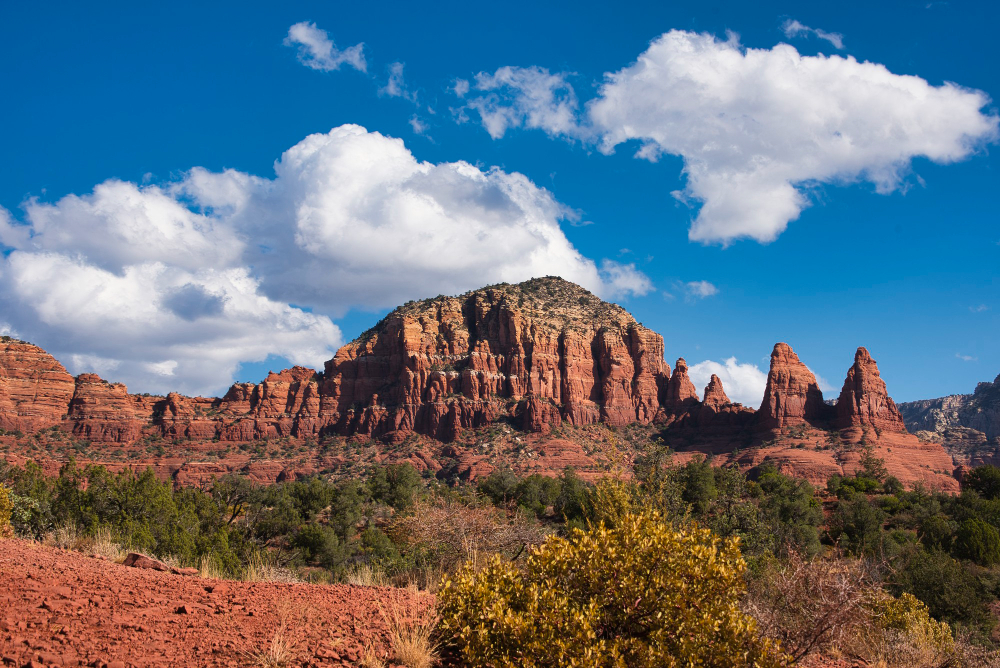
Seneca Rocks Western WV is one of the most breathtaking and recognizable natural attractions in the Appalachian region. Rising dramatically above the North Fork River, this towering rock formation is a symbol of West Virginia’s rugged beauty, outdoor adventure, and geological wonder. Whether you are an avid hiker, rock climber, photographer, or traveler seeking scenic views, Seneca Rocks offers a memorable experience in every season.
This comprehensive guide explores the history, geology, hiking trails, climbing opportunities, wildlife, nearby attractions, and travel tips to help you fully appreciate Seneca Rocks Western WV.
What Is Seneca Rocks Western WV?
Seneca Rocks is a massive quartzite rock formation located in eastern West Virginia, within the Monongahela National Forest. The formation rises nearly 900 feet above the surrounding valley and is known for its sharp, fin-like ridges that stretch skyward. It stands as one of the most prominent geological landmarks in the state and is visible from miles away.
The rocks were formed hundreds of millions of years ago when ancient sediment layers hardened and were later uplifted and eroded into the dramatic spires seen today. Over time, Seneca Rocks has become a destination that blends natural beauty with adventure and cultural history.
The History of Seneca Rocks Western WV
Native American Origins
The name “Seneca Rocks” is believed to originate from the Seneca Native American tribe, who once traveled through the region. The area served as a natural corridor for hunting and seasonal migration, and the towering rocks likely held spiritual or navigational significance.
Early Settlers and Exploration
European settlers began moving into the area during the 18th century. Seneca Rocks became a prominent landmark for pioneers navigating the Appalachian frontier. The nearby river and fertile valleys supported early settlements and trade routes.
World War II Legacy
During World War II, Seneca Rocks played an important role as a training site for U.S. Army mountain troops. The rugged terrain was used to prepare soldiers for alpine combat. Today, the nearby National Historic District preserves this legacy and adds historical depth to the area.
Geology and Formation of Seneca Rocks
The unique shape of Seneca Rocks Western WV is the result of geological processes spanning millions of years. The rock is primarily composed of Tuscarora quartzite, an extremely hard and erosion-resistant stone.
As softer surrounding rock layers eroded away, the quartzite remained, forming the dramatic fins and jagged peaks. The vertical cliffs and narrow ridges make Seneca Rocks especially striking compared to other Appalachian formations.
This geological durability is also why the rocks are ideal for technical climbing and why they have retained their sharp silhouette over time.
Hiking at Seneca Rocks Western WV
Seneca Rocks Trail Overview
The most popular activity at Seneca Rocks is hiking the Seneca Rocks Trail. This well-maintained path leads visitors from the base of the rocks to a scenic overlook near the summit.
- Trail Length: Approximately 3 miles round trip
- Elevation Gain: About 900 feet
- Difficulty: Moderate
- Trail Type: Out-and-back
The trail is paved in sections and includes a series of switchbacks that gradually climb the mountainside. Benches and rest points are available along the way.
Scenic Overlook Experience
At the top, hikers are rewarded with panoramic views of the surrounding valley, forested mountains, and winding river below. The observation platform offers one of the best viewpoints in West Virginia and is especially stunning at sunrise and sunset.
Seasonal Hiking Tips
- Spring: Wildflowers bloom along the trail, but rain can make surfaces slippery
- Summer: Lush greenery and warm temperatures, ideal for early morning hikes
- Fall: Vibrant foliage makes this the most popular season
- Winter: Snow and ice add beauty but require caution and proper gear
Rock Climbing at Seneca Rocks Western WV
Seneca Rocks is considered the birthplace of technical rock climbing in the eastern United States. Climbers from around the world visit the area for its challenging routes and historic significance.
Climbing Features
- Over 300 established climbing routes
- Crack climbs, face climbs, and multi-pitch routes
- Vertical drops reaching hundreds of feet
Climbing at Seneca Rocks is recommended for experienced climbers due to its technical difficulty and exposure. Traditional climbing techniques are most commonly used, and weather conditions can change rapidly.
Safety and Permits
While climbing is permitted, climbers should be properly trained and equipped. Weather awareness, route planning, and respect for the natural environment are essential for a safe experience.
Wildlife and Nature Around Seneca Rocks
The ecosystem surrounding Seneca Rocks Western WV is rich in biodiversity. The Monongahela National Forest provides habitat for numerous plant and animal species.
Common Wildlife Sightings
- White-tailed deer
- Black bears
- Red foxes
- Wild turkeys
- Hawks and songbirds
Birdwatchers often enjoy spotting peregrine falcons that nest on the cliffs. During certain times of the year, climbing routes may be temporarily restricted to protect nesting birds.
Photography at Seneca Rocks Western WV
Seneca Rocks is a paradise for photographers. The towering rock fins, rolling hills, and changing light conditions create dramatic compositions.
Best Photography Spots
- Base of the rocks for scale and perspective
- Observation platform at the summit
- Riverbanks for reflections
- Nearby scenic pull-offs for wide-angle shots
Best Times for Photos
- Golden Hour: Early morning and late afternoon
- Fall Season: Colorful foliage enhances contrast
- Foggy Mornings: Adds depth and atmosphere
Nearby Attractions to Explore
A visit to Seneca Rocks Western WV can easily be combined with other nearby destinations to create a full travel experience.
Spruce Knob
West Virginia’s highest peak is located nearby and offers cooler temperatures, scenic trails, and panoramic views.
Smoke Hole Canyon
Known for its rugged cliffs and winding river, this area is perfect for scenic drives, hiking, and wildlife viewing.
North Fork Mountain Trail
A long-distance hiking trail that offers challenging terrain and incredible vistas along the mountain ridge.
Camping and Lodging Options
Camping
Campgrounds near Seneca Rocks provide a range of options from primitive sites to developed campgrounds with facilities.
- Tent camping
- RV-friendly sites
- Picnic areas
Cabins and Lodges
Visitors can also find cozy cabins, lodges, and guesthouses in nearby towns. These accommodations are especially popular during peak hiking and climbing seasons.
Best Time to Visit Seneca Rocks Western WV
While Seneca Rocks is open year-round, the best time to visit depends on your interests.
- Spring: Mild temperatures and blooming landscapes
- Summer: Ideal for hiking and climbing, though weekends can be busy
- Fall: Peak foliage season with cooler weather
- Winter: Quiet and scenic, best for experienced winter hikers
Travel Tips for Visiting Seneca Rocks
- Wear sturdy footwear with good traction
- Bring water and snacks, especially during warmer months
- Check weather conditions before hiking or climbing
- Respect wildlife and stay on designated trails
- Practice Leave No Trace principles
Why Seneca Rocks Western WV Is Worth Visiting
Seneca Rocks Western WV stands out as a destination that offers natural beauty, adventure, history, and tranquility all in one place. Its towering rock formations inspire awe, while the surrounding forests and valleys provide a peaceful escape from modern life.
Whether you’re hiking to the overlook, scaling the cliffs, capturing photographs, or simply enjoying the scenery, Seneca Rocks leaves a lasting impression on every visitor. It is not just a landmark—it is a symbol of West Virginia’s wild spirit and enduring natural heritage.
Final Thoughts
A trip to Seneca Rocks Western WV is more than just a visit to a scenic spot; it’s an immersive experience that connects you with nature, history, and adventure. From its ancient geological origins to its modern role as a premier outdoor destination, Seneca Rocks continues to captivate and inspire travelers year after year.