Charles A. Harding Memorial Covered Bridge Olmsted Falls: A Historic Landmark Worth Visiting
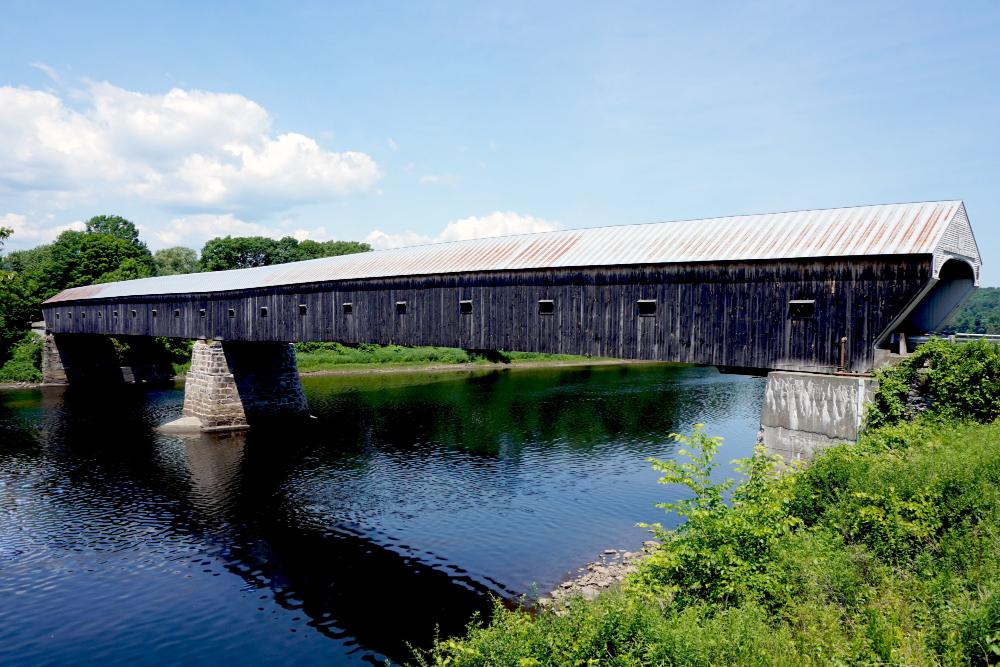
The Charles A. Harding Memorial Covered Bridge Olmsted Falls is more than just a picturesque structure nestled within northeastern Ohio—it is a living symbol of history, craftsmanship, and community pride. Located in the charming city of Olmsted Falls, this covered bridge stands as one of the region’s most treasured landmarks. Whether you are a history enthusiast, a nature lover, or a traveler seeking hidden gems, this bridge offers an experience that blends heritage with scenic beauty.
In this detailed guide, we will explore the history, design, cultural importance, and visitor experience surrounding the Charles A. Harding Memorial Covered Bridge in Olmsted Falls.
Overview of the Charles A. Harding Memorial Covered Bridge
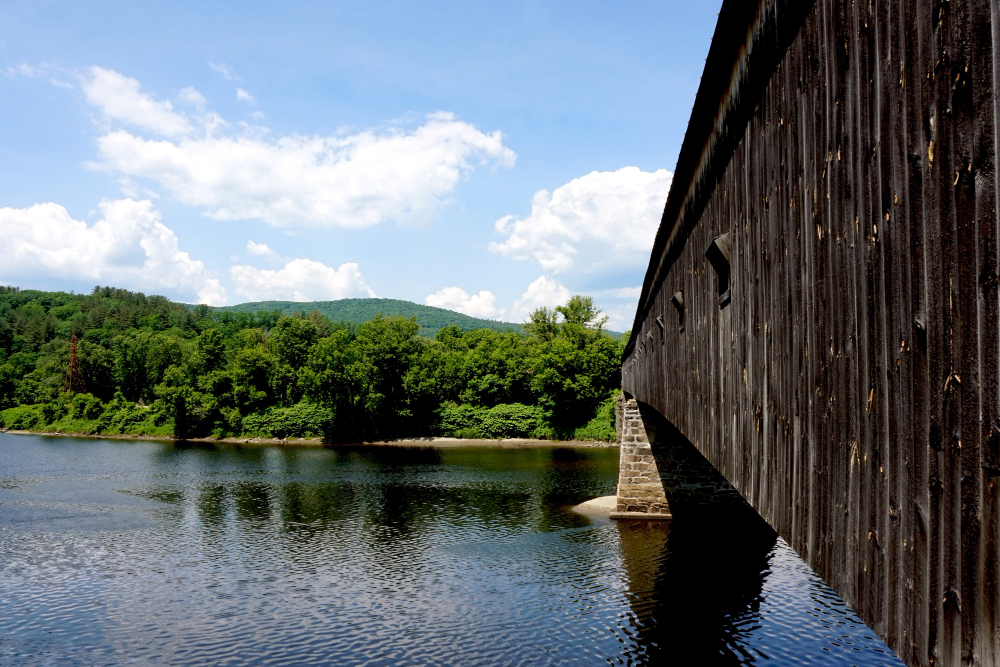
The Charles A. Harding Memorial Covered Bridge is a pedestrian-only covered bridge situated within the Cleveland Metroparks system near Olmsted Falls. Spanning the West Branch of the Rocky River, the bridge connects visitors to scenic walking trails and provides stunning views of waterfalls, wooded landscapes, and limestone cliffs.
Unlike many covered bridges built in the 19th century, this bridge is a modern reconstruction designed to honor traditional covered bridge architecture while commemorating Charles A. Harding, a respected figure in the local community.
Who Was Charles A. Harding?
Understanding the significance of the bridge begins with learning about the man it commemorates. Charles A. Harding was a local leader known for his dedication to civic improvement, historical preservation, and community development in Olmsted Falls. His efforts contributed to maintaining the natural beauty and historical identity of the area.
Naming the bridge in his honor reflects the community’s appreciation for his lasting contributions. The memorial bridge serves not only as a functional structure but also as a tribute to Harding’s legacy.
Historical Significance of Covered Bridges in Ohio
Ohio is home to a rich covered bridge heritage. During the 1800s, covered bridges were essential for transportation, allowing wagons and pedestrians to cross rivers safely. The covered design protected wooden structural elements from rain and snow, significantly extending their lifespan.
The Charles A. Harding Memorial Covered Bridge Olmsted Falls pays homage to this tradition, even though it was built in a later era. It reflects the classic charm of Ohio’s historic bridges while incorporating modern engineering standards.
Architectural Design and Construction
One of the most striking features of the Charles A. Harding Memorial Covered Bridge is its authentic wooden construction. Built using traditional timber framing techniques, the bridge showcases craftsmanship reminiscent of early American bridge builders.
Key Architectural Features
- Wooden trusses designed for strength and durability
- A fully covered roof to protect internal beams
- Open side panels allowing natural light and river views
- Rustic exterior that blends seamlessly with surrounding nature
Although the bridge is modern, its design intentionally mirrors historic covered bridges, making it visually indistinguishable from older structures to the casual observer.
Location and Natural Surroundings
The Charles A. Harding Memorial Covered Bridge in Olmsted Falls is located near one of the most scenic areas in the region. The surrounding landscape includes:
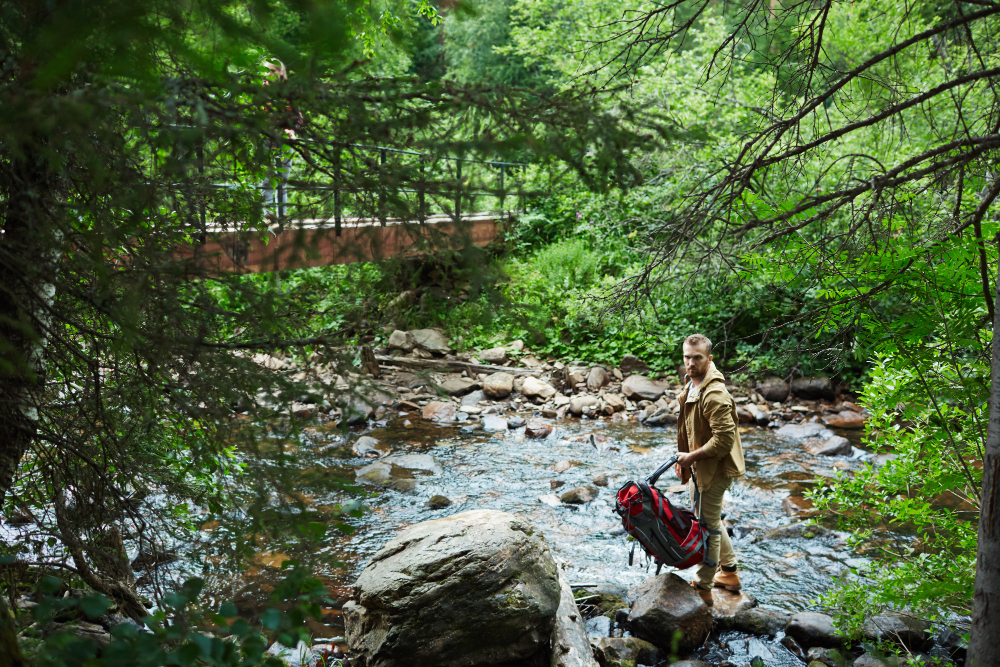
- The West Branch of the Rocky River
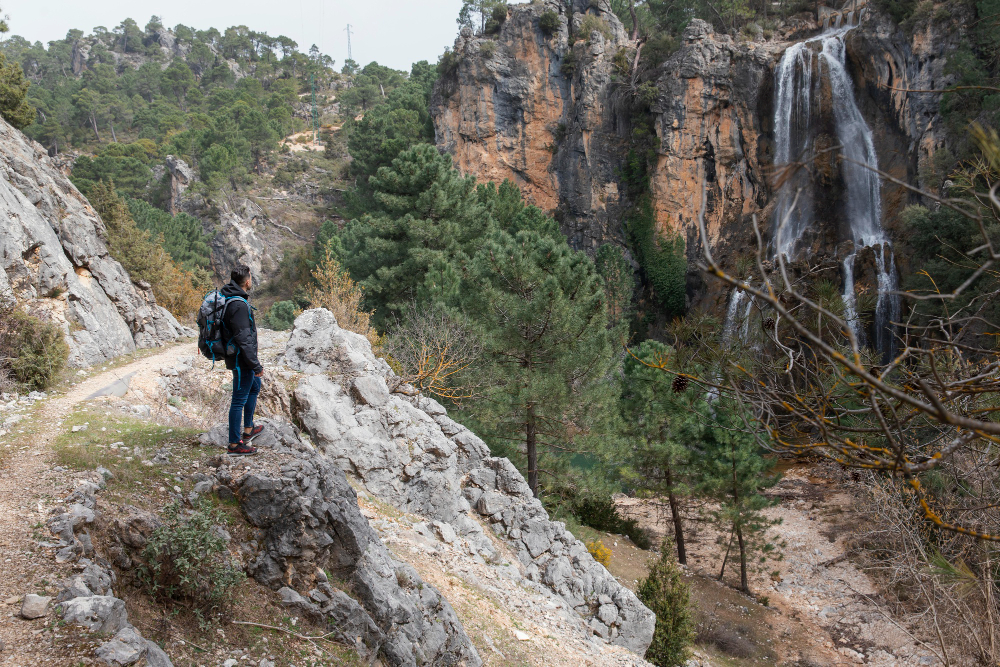
- Nearby waterfalls that flow year-round
- Tree-lined walking and biking trails
- Wildlife habitats featuring birds, deer, and small mammals
This natural setting enhances the bridge’s appeal, making it a popular destination for photographers, hikers, and families.
A Favorite Spot for Photography
Photographers often consider the Charles A. Harding Memorial Covered Bridge one of the most photogenic locations in Olmsted Falls. The interplay of wooden textures, flowing water, and seasonal foliage creates stunning visuals.
Best Times for Photos
- Spring: Blooming greenery and high water flow
- Summer: Lush forests and bright sunlight
- Fall: Vibrant autumn colors framing the bridge
- Winter: Snow-covered roof and icy river scenes
Each season offers a unique perspective, making repeat visits worthwhile.
Walking Trails and Visitor Experience
Visitors to the Charles A. Harding Memorial Covered Bridge can enjoy more than just crossing the structure. The area features well-maintained trails suitable for walking, jogging, and casual exploration.
The bridge serves as a gateway between different sections of the park, encouraging visitors to slow down, enjoy the scenery, and appreciate the peaceful atmosphere.
Families often bring children to explore the area, while couples enjoy the bridge as a romantic spot for quiet walks and photos.
Cultural and Community Importance
The bridge holds a special place in the hearts of Olmsted Falls residents. It frequently appears in community events, local artwork, and seasonal celebrations. While it is not used for vehicle traffic, its symbolic value far outweighs its functional purpose.
The Charles A. Harding Memorial Covered Bridge Olmsted Falls represents the city’s commitment to preserving history while enhancing public spaces for future generations.
Why the Bridge Is a Must-Visit Destination
There are many reasons why visitors are drawn to the Charles A. Harding Memorial Covered Bridge year after year:
- Historical charm without needing to travel far
- Peaceful natural surroundings ideal for relaxation
- Educational value for those interested in architecture and local history
- Accessibility through nearby walking paths
- Visual appeal for photography and sightseeing
Whether you’re a local resident or a traveler passing through Ohio, this bridge offers a memorable experience.
Seasonal Events and Local Traditions
Throughout the year, the area surrounding the bridge comes alive with seasonal activities. Fall is especially popular, as visitors gather to enjoy the changing leaves and crisp air. Winter transforms the bridge into a postcard-worthy scene, often attracting visitors looking for serene landscapes.
Local schools and history groups occasionally organize educational walks, helping younger generations learn about covered bridge design and community heritage.
Preservation and Maintenance Efforts
Maintaining a wooden structure requires ongoing care, and the Charles A. Harding Memorial Covered Bridge benefits from regular inspections and preservation efforts. These measures ensure the bridge remains safe while retaining its historical appearance.
Preservation is not just about maintaining wood and beams—it’s about protecting a symbol of local identity. The continued care of the bridge reflects Olmsted Falls’ dedication to cultural stewardship.
Tips for First-Time Visitors
If you plan to visit the Charles A. Harding Memorial Covered Bridge Olmsted Falls, consider these helpful tips:
- Wear comfortable walking shoes for nearby trails
- Visit early in the morning or late afternoon for better lighting
- Respect the bridge structure by avoiding climbing or damaging surfaces
- Take time to explore the surrounding park areas
- Bring a camera to capture the scenic views
A slow, mindful visit allows you to fully appreciate the bridge’s beauty and significance.
The Bridge as a Symbol of Timeless Craftsmanship
In an age dominated by steel and concrete, the Charles A. Harding Memorial Covered Bridge stands as a reminder of traditional craftsmanship. Its wooden beams and classic design highlight a construction style that values durability, aesthetics, and harmony with nature.
This timeless quality is what makes the bridge so captivating. It connects past and present, offering a tangible link to history while remaining relevant today.
Final Thoughts
The Charles A. Harding Memorial Covered Bridge Olmsted Falls is more than just a crossing—it is a destination filled with history, beauty, and community meaning. From its architectural design to its tranquil setting, the bridge offers visitors a chance to slow down and appreciate the simpler elegance of historic structures.