McConnell’s Mill Covered Bridge: A Historic Gem in Pennsylvania’s Scenic Landscape
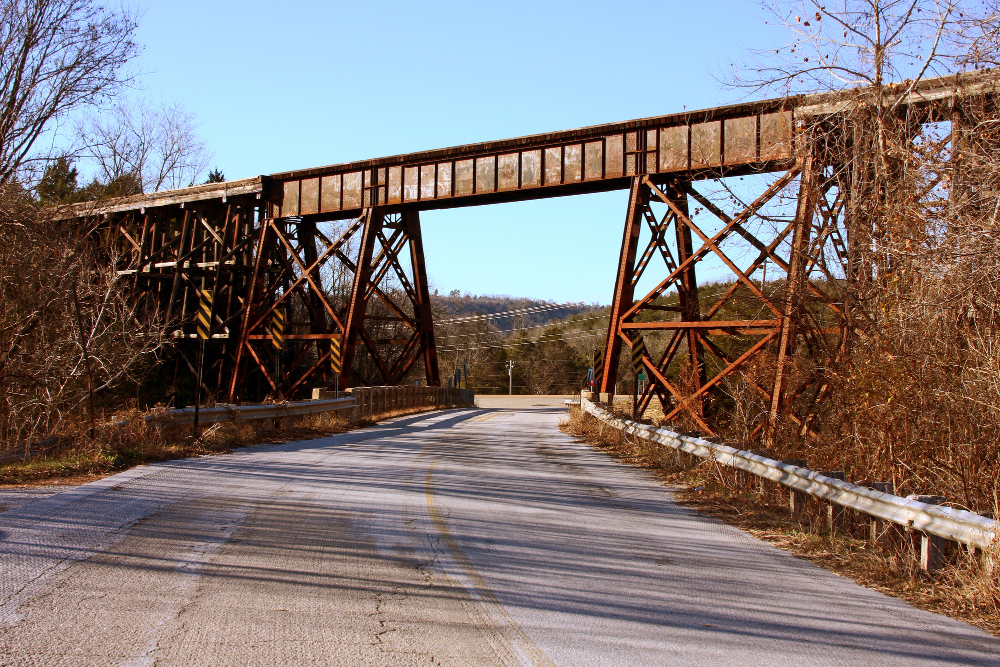
If you’re searching for a timeless piece of American history surrounded by breathtaking natural beauty, McConnell’s Mill Covered Bridge should be at the top of your list. Nestled within a stunning state park in western Pennsylvania, this charming wooden bridge is more than just a crossing—it’s a symbol of 19th-century craftsmanship, rural heritage, and architectural ingenuity.
In this comprehensive guide, we’ll explore the history, architecture, location, visitor tips, and the enduring appeal of McConnell’s Mill Covered Bridge. Whether you’re a history enthusiast, photographer, nature lover, or weekend traveler, this iconic structure offers something unforgettable.
Where Is McConnell’s Mill Covered Bridge Located?
McConnell’s Mill Covered Bridge is situated inside McConnells Mill State Park in Lawrence County, Pennsylvania. The park itself spans over 2,500 acres and features rugged gorges, scenic hiking trails, waterfalls, and the historic gristmill that gave the park its name.
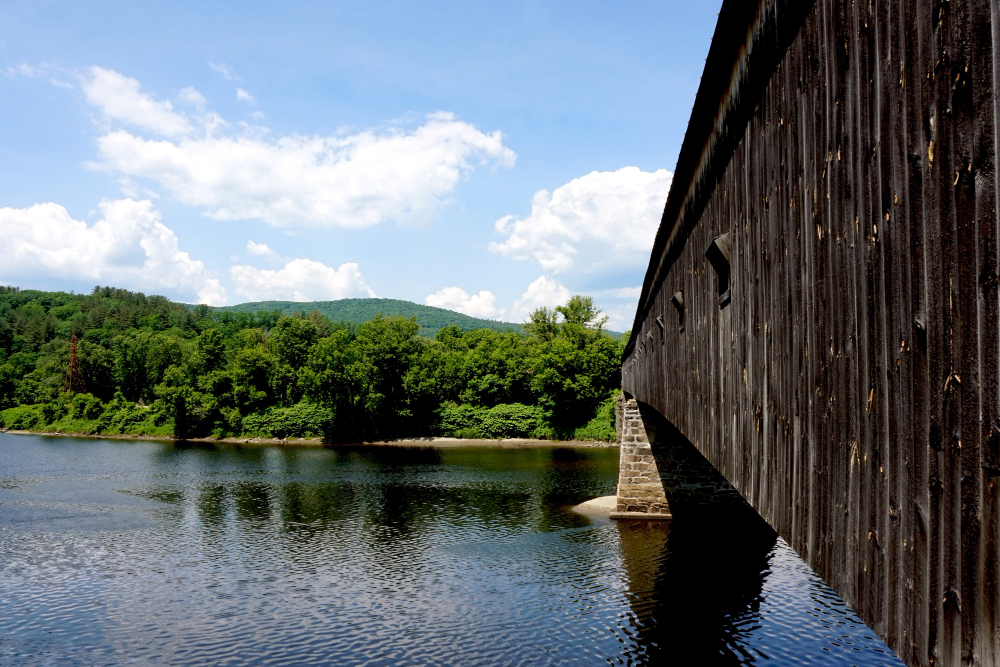
The bridge crosses the scenic Slippery Rock Creek, a popular spot for kayaking, fishing, and hiking. Just about an hour north of Pittsburgh, the location makes it a perfect day trip for families and adventure seekers.
A Brief History of McConnell’s Mill Covered Bridge
Built in 1874, McConnell’s Mill Covered Bridge stands as a testament to 19th-century American engineering. At a time when covered bridges were essential infrastructure for rural communities, this structure played a vital role in connecting travelers across Slippery Rock Creek.
The bridge was constructed using locally sourced timber and traditional craftsmanship techniques that have stood the test of time. It was originally built to accommodate horse-drawn wagons and early forms of transportation.
Over the decades, many covered bridges in Pennsylvania were dismantled or destroyed. However, McConnell’s Mill Covered Bridge survived thanks to preservation efforts and its inclusion in the state park system.
In 1980, it was officially listed on the National Register of Historic Places, cementing its historical significance.
Architectural Design and Construction
One of the most fascinating aspects of McConnell’s Mill Covered Bridge is its Howe truss design. This engineering method, patented in 1840, combines wooden beams with iron rods to create a durable and stable structure.
Key Architectural Features:
- Length: Approximately 96 feet
- Structure Type: Howe truss
- Materials: Primarily timber with iron reinforcements
- Color: Traditional red exterior
- Roof: Wooden shingled roof
The covering was not merely decorative—it protected the timber framework from weather damage, significantly extending the bridge’s lifespan.
The interior framework, with its triangular truss patterns, showcases the brilliance of early American bridge engineering.
Why Covered Bridges Were Important
During the 1800s, covered bridges were widely constructed throughout Pennsylvania and other northeastern states. The coverings protected wooden structural elements from rain, snow, and sun exposure.
Without the roof and side panels, wooden bridges would rot quickly. With protection, they could last over 100 years—as proven by McConnell’s Mill Covered Bridge.
Pennsylvania is often referred to as the “Covered Bridge Capital of the World,” once home to over 1,500 such structures.
McConnells Mill State Park: The Perfect Setting
The beauty of McConnell’s Mill Covered Bridge is enhanced by its surroundings. The state park offers:
- Over 17 miles of hiking trails
- Scenic overlooks
- Whitewater boating
- Rock climbing
- Wildlife observation
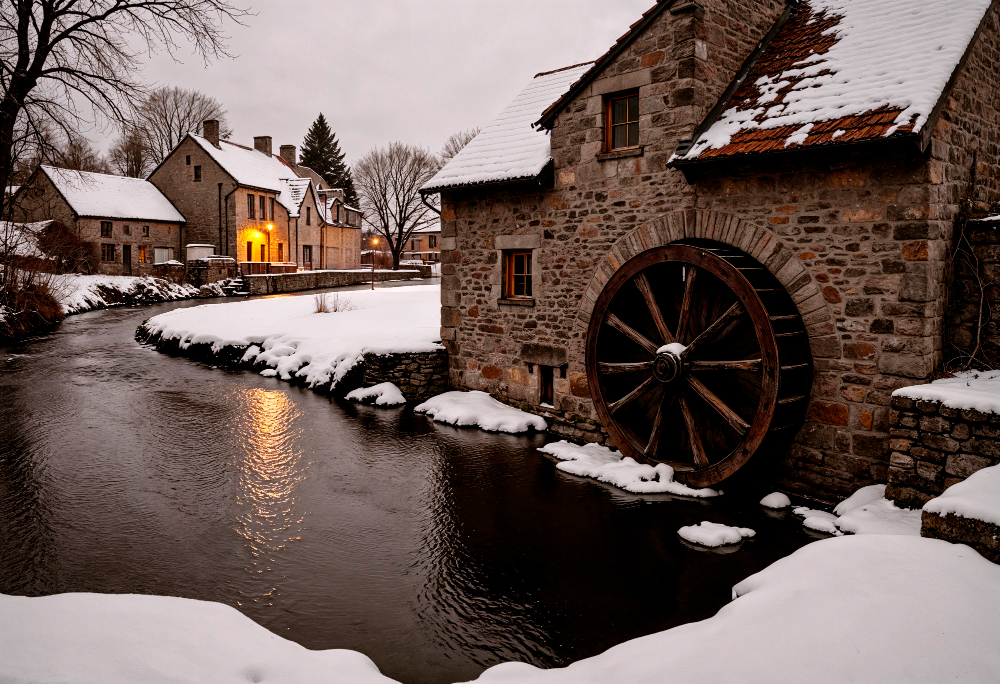
The historic gristmill within the park adds another layer of charm. Built in 1852, the mill still stands as a reminder of the region’s industrial past.
Visitors can combine a walk across the bridge with a hike through the Slippery Rock Gorge Trail, making it a full-day adventure.
Photography and Seasonal Beauty
One reason McConnell’s Mill Covered Bridge is so popular is its incredible photogenic appeal. The red wooden structure contrasts beautifully against the lush green forests in summer and the vibrant foliage in autumn.
Best Seasons to Visit:
Fall: The autumn colors reflect in Slippery Rock Creek, creating postcard-perfect scenes.
Winter: Snow-covered landscapes provide a magical, quiet atmosphere.
Spring: Blooming wildflowers and flowing creek waters add life to the surroundings.
Summer: Warm weather and full greenery make it ideal for hiking and picnics.
Early morning or late afternoon lighting offers the best photographic opportunities.
Preservation Efforts and Maintenance
Maintaining a wooden bridge built in 1874 requires ongoing care. Pennsylvania’s Department of Conservation and Natural Resources oversees the preservation of McConnell’s Mill Covered Bridge.
Regular inspections ensure structural stability, and restoration projects have been undertaken to maintain historical accuracy while improving safety.
The bridge remains open to pedestrian traffic and limited vehicle use, though weight restrictions are enforced to protect the historic structure.
Preserving such landmarks ensures future generations can appreciate this piece of American history.
Interesting Facts About McConnell’s Mill Covered Bridge
Here are some fascinating facts you may not know:
- It is one of the few remaining Howe truss covered bridges in Pennsylvania.
- The bridge originally served local farmers and traders.
- The red paint traditionally used on covered bridges was affordable and helped preserve the wood.
- It has appeared in numerous travel guides and historical publications.
- It continues to function as a crossing point, unlike many preserved bridges that are now pedestrian-only.
Visiting Tips for Travelers
If you’re planning a visit to McConnell’s Mill Covered Bridge, here are some helpful tips:
1. Check Park Hours
McConnells Mill State Park is open year-round, but certain facilities may have seasonal hours.
2. Wear Comfortable Shoes
The terrain around the bridge includes gravel paths and hiking trails.
3. Bring a Camera
The scenic backdrop makes this one of Pennsylvania’s most picturesque historic bridges.
4. Combine Activities
Pair your visit with hiking, kayaking, or exploring the historic gristmill.
5. Respect the Structure
Avoid climbing on the framework or causing damage to the wood.
The Cultural Significance of Covered Bridges
Covered bridges hold a special place in American culture. They represent a simpler era of craftsmanship and community connection.
In many small towns, covered bridges were gathering points and symbols of local pride. McConnell’s Mill Covered Bridge carries that legacy forward.
It embodies:
- Rural American heritage
- Early engineering innovation
- Preservation of historic architecture
- Scenic tourism development
How McConnell’s Mill Covered Bridge Enhances Tourism
Tourism plays an important role in preserving historic landmarks. McConnell’s Mill Covered Bridge attracts:
- History enthusiasts
- Architecture lovers
- Nature photographers
- Family travelers
- Outdoor adventurers
The bridge contributes to local tourism in Lawrence County and supports businesses in nearby communities.
Events, guided tours, and seasonal festivals further enhance visitor experiences.
Comparing McConnell’s Mill Covered Bridge to Other Pennsylvania Covered Bridges
Pennsylvania has around 200 remaining covered bridges. While many are beautiful, McConnell’s Mill Covered Bridge stands out due to:
- Its location within a dramatic gorge
- The combination of natural beauty and historic mill
- Its well-preserved Howe truss design
- Easy accessibility for visitors
Unlike some isolated bridges, this one benefits from being part of a well-maintained state park.
Why You Should Visit McConnell’s Mill Covered Bridge
If you appreciate history, architecture, and scenic landscapes, McConnell’s Mill Covered Bridge delivers all three in one destination.
Walking through the bridge feels like stepping back in time. The wooden beams, filtered sunlight, and sound of the creek below create a peaceful and nostalgic atmosphere.
It’s not just a bridge—it’s a living artifact of Pennsylvania’s past.
Frequently Asked Questions
Is McConnell’s Mill Covered Bridge still in use?
Yes, it remains functional and accessible to visitors.
How old is the bridge?
It was built in 1874, making it over 150 years old.
Is there an entry fee?
There is no fee to visit the bridge, though some park activities may require permits.
Can you drive across it?
Limited vehicle access is allowed, subject to restrictions.
Final Thoughts
McConnell’s Mill Covered Bridge stands as a proud reminder of Pennsylvania’s rich engineering and rural heritage. Surrounded by the rugged beauty of McConnells Mill State Park, it continues to captivate visitors with its timeless charm.
From its 19th-century Howe truss construction to its modern-day preservation efforts, the bridge tells a story of resilience, craftsmanship, and community pride.