Seneca Skyway: A Complete Guide to History, Design, Traffic, and Local Importance
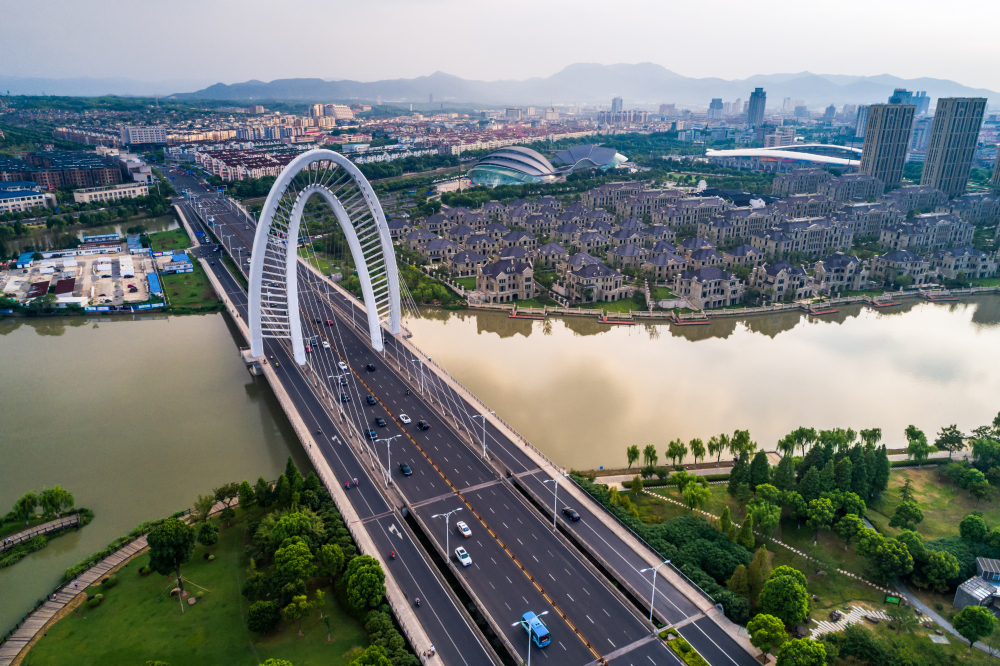
The Seneca Skyway is one of the most important elevated roadways in its region, serving as a critical transportation link while also standing as a recognizable piece of infrastructure. Whether you are a daily commuter, a visitor passing through, or someone interested in transportation planning and urban development, the Seneca Skyway plays a significant role in how people and goods move efficiently across the area.
In this in-depth guide, we will explore everything you need to know about the Seneca Skyway, including its history, engineering design, traffic importance, economic impact, safety features, and its role in the local community. This comprehensive overview is designed to provide valuable information while remaining easy to understand and SEO friendly.
What Is the Seneca Skyway?
The Seneca Skyway is an elevated roadway designed to carry traffic over natural and urban obstacles such as waterways, rail lines, or densely developed areas. Skyways like this are built to reduce congestion, improve travel efficiency, and maintain uninterrupted traffic flow where traditional roads would be impractical.
Unlike standard surface streets, the Seneca Skyway allows vehicles to bypass traffic signals and intersections, making it a crucial route for commuters, commercial transport, and emergency services.
Historical Background of the Seneca Skyway
The development of the Seneca Skyway was driven by the need to modernize transportation infrastructure as population growth and vehicle usage increased. Prior to its construction, travelers often faced delays due to congestion, limited road capacity, and geographic constraints.
Planning and Development
Transportation planners identified the need for an elevated route that could:
- Improve traffic flow
- Reduce travel time
- Enhance safety
- Support economic growth
The Seneca Skyway was designed after extensive planning, environmental assessments, and engineering studies. These efforts ensured that the structure would be durable, safe, and capable of handling long-term traffic demands.
Construction Phase
The construction of the Seneca Skyway marked a major investment in regional infrastructure. Engineers focused on:
- Strong foundational supports
- Weather-resistant materials
- Efficient lane design
- Minimal disruption to surrounding communities
Once completed, the skyway quickly became a vital part of the local transportation network.
Engineering and Structural Design
One of the most impressive aspects of the Seneca Skyway is its engineering design. Elevated roadways require precise calculations and high-quality materials to ensure stability and safety.
Key Design Features
- Reinforced concrete and steel supports for long-term durability
- Elevated spans to clear obstacles below
- Wide lanes for smooth traffic movement
- Protective barriers to enhance driver safety
- Drainage systems to prevent water accumulation
The skyway is built to withstand heavy traffic loads, seasonal weather changes, and long-term wear, making it a reliable structure for daily use.
Importance of Seneca Skyway for Traffic Flow
Traffic efficiency is one of the primary reasons the Seneca Skyway exists. Elevated roadways help reduce congestion by separating through-traffic from local streets.
Benefits for Commuters
- Faster travel times
- Fewer stop-and-go conditions
- Reduced stress during peak hours
- Improved access to key destinations
For drivers who rely on predictable travel schedules, the Seneca Skyway provides a dependable route that minimizes delays.
Commercial and Freight Transport
Businesses benefit significantly from the skyway, as it allows commercial vehicles to transport goods efficiently. Reliable infrastructure reduces fuel consumption, delivery times, and operational costs.
Safety Features of the Seneca Skyway
Safety is a top priority in modern roadway design, and the Seneca Skyway includes multiple features to protect drivers and passengers.
Built-In Safety Measures
- Guardrails and crash barriers
- Clear lane markings and signage
- Proper lighting for nighttime visibility
- Controlled access points
- Regular structural inspections
These elements work together to reduce accidents and ensure safe travel for all road users.
Maintenance and Upkeep
Maintaining an elevated roadway like the Seneca Skyway requires ongoing effort. Routine maintenance ensures the structure remains safe and functional for decades.
Maintenance Activities Include
- Structural inspections
- Surface resurfacing
- Barrier repairs
- Drainage cleaning
- Lighting system upgrades
Regular maintenance not only extends the lifespan of the skyway but also helps prevent costly repairs in the future.
Economic Impact of the Seneca Skyway
The Seneca Skyway plays an important role in the local economy by supporting commerce, tourism, and employment.
Economic Benefits
- Improved access to business districts
- Increased efficiency for logistics and transport
- Enhanced attractiveness for investment
- Support for job creation
Efficient transportation infrastructure often leads to stronger economic growth, and the Seneca Skyway is a key contributor to this process.
Environmental Considerations
While elevated roadways can raise environmental concerns, careful planning helps minimize negative impacts.
Environmentally Responsible Design
- Reduced idling time, lowering emissions
- Efficient traffic flow to conserve fuel
- Drainage systems to protect nearby land and water
- Long-lasting materials to reduce reconstruction frequency
By improving traffic efficiency, the Seneca Skyway indirectly contributes to more sustainable transportation practices.
Role in the Local Community
Beyond its function as a roadway, the Seneca Skyway is part of the community’s daily life. Many residents rely on it for commuting, accessing services, and staying connected to surrounding areas.
Community Benefits
- Better connectivity between neighborhoods
- Reduced congestion on local streets
- Faster emergency response times
- Improved quality of life
The skyway helps integrate different parts of the region, making travel smoother and more reliable.
Future Developments and Improvements
As traffic demands evolve, infrastructure like the Seneca Skyway must adapt. Transportation authorities continuously assess ways to improve performance and safety.
Possible Future Enhancements
- Lane expansions
- Smart traffic monitoring systems
- Improved lighting and signage
- Surface upgrades for smoother driving
These improvements ensure the skyway continues to meet modern transportation needs.
Why the Seneca Skyway Matters
The Seneca Skyway is more than just an elevated road. It represents thoughtful planning, engineering excellence, and a commitment to efficient transportation. By reducing congestion, supporting economic activity, and improving safety, it plays a vital role in regional mobility.
For residents, commuters, and businesses alike, the skyway offers reliability, convenience, and long-term value. Its continued maintenance and future enhancements will ensure it remains a cornerstone of local infrastructure.
Final Thoughts
The Seneca Skyway stands as a crucial transportation asset, designed to meet the challenges of modern traffic while supporting economic and community growth. Its strategic importance, combined with durable construction and efficient design, makes it an essential part of the region’s roadway system.