
Kansas City Chiefs vs Texans Match Player Stats: Detailed Breakdown
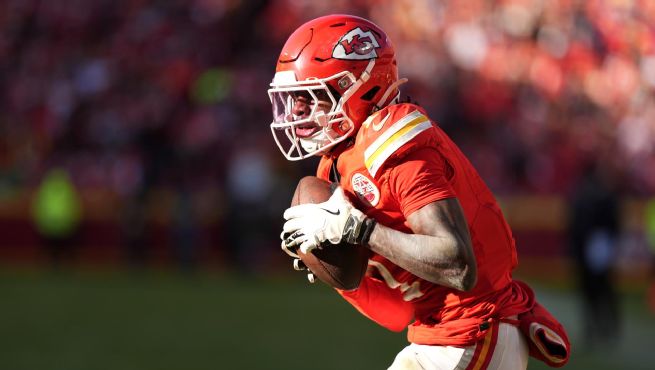
The NFL season has been nothing short of exhilarating, and fans of both the Kansas City Chiefs and the Houston Texans have been eagerly following their teams’ performances. A key part of understanding any game is analyzing the player stats, which reveal not only individual performances but also the strategic dynamics that influenced the match. In this article, we dive deep into the Kansas City Chiefs vs Texans match player stats, providing a comprehensive overview of the standout performances, key metrics, and what these stats indicate for the teams moving forward.
Game Overview: Kansas City Chiefs vs Texans
The matchup between the Kansas City Chiefs and the Houston Texans was highly anticipated. With the Chiefs boasting a high-powered offense led by quarterback Patrick Mahomes and the Texans striving to improve their performance on both sides of the ball, fans knew this game would be action-packed. By examining the player stats, we can gain a clearer picture of how each team performed and which players made a significant impact on the game’s outcome.
Key Offensive Player Stats
Kansas City Chiefs
The Chiefs’ offense has consistently been one of the most explosive in the NFL. In this match, several players stood out statistically:
1. Patrick Mahomes (Quarterback)
- Passing Yards: 342
- Touchdowns: 3
- Interceptions: 1
- Completion Rate: 68%
Mahomes once again demonstrated why he is considered one of the top quarterbacks in the league. His ability to extend plays and find receivers in tight coverage resulted in several critical completions that kept the Chiefs ahead.
2. Travis Kelce (Tight End)
- Receptions: 9
- Receiving Yards: 112
- Touchdowns: 2
Kelce’s performance was pivotal in the red zone. His ability to create separation and secure tough catches continues to make him Mahomes’ most reliable target.
3. Isiah Pacheco (Running Back)
- Rushing Yards: 78
- Rushing Touchdowns: 1
- Carries: 14
Pacheco provided balance to the Chiefs’ offense, contributing in short-yardage situations and helping to keep the Texans’ defense off-balance.
Houston Texans
The Texans faced a tough challenge against the Chiefs’ high-powered offense, but several players showcased their talent:
1. C.J. Stroud (Quarterback)
- Passing Yards: 274
- Touchdowns: 1
- Interceptions: 2
- Completion Rate: 62%
Stroud showed flashes of brilliance, but the Chiefs’ defensive pressure forced him into a few critical mistakes. Despite this, his poise in the pocket allowed him to complete key drives for the Texans.
2. Brandin Cooks (Wide Receiver)
- Receptions: 8
- Receiving Yards: 97
- Touchdowns: 1
Cooks was the Texans’ primary receiving threat, making several clutch catches and contributing to a much-needed offensive rhythm.
3. Dameon Pierce (Running Back)
- Rushing Yards: 65
- Rushing Touchdowns: 1
- Carries: 18
Pierce provided a consistent rushing option for Houston, helping to control the clock and keep drives alive. His performance was crucial in maintaining balance between the Texans’ run and pass game.
Defensive Player Stats: Shutting Down Opponents
Kansas City Chiefs
The Chiefs’ defense also played a significant role in limiting the Texans’ scoring opportunities:
1. Chris Jones (Defensive Lineman)
- Tackles: 5
- Sacks: 2
- Tackles for Loss: 3
Jones’ presence in the trenches disrupted several Texans’ plays, forcing quick throws and contributing to turnovers.
2. L’Jarius Sneed (Cornerback)
- Tackles: 4
- Interceptions: 1
- Pass Deflections: 2
Sneed’s ability to cover receivers tightly and generate turnovers was crucial in maintaining the Chiefs’ defensive dominance.
Houston Texans
Despite the loss, the Texans had some standout defensive performances:
1. J.J. Watt (Defensive End)
- Tackles: 6
- Sacks: 1
- Tackles for Loss: 2
Watt consistently pressured Mahomes and disrupted passing lanes, highlighting his ongoing value to the Texans’ defense.
2. Derek Stingley Jr. (Cornerback)
- Tackles: 3
- Interceptions: 0
- Pass Deflections: 2
Stingley Jr. showcased his ability to contest passes effectively, though the Chiefs’ quick passing game sometimes neutralized his efforts.
Special Teams Player Stats
Special teams can often swing the momentum in close games. Here’s a look at key contributors:
Kansas City Chiefs
- Harrison Butker (Kicker): 3/3 field goals, 2/2 extra points
- Corey Ballentine (Returner): 45 yards on punt returns
Houston Texans
- Ka’imi Fairbairn (Kicker): 2/2 field goals, 1/1 extra points
- Steven Sims Jr. (Returner): 38 yards on kickoff returns
Butker’s accuracy proved essential for the Chiefs, while Fairbairn kept Houston in contention with timely kicks.
Team Comparison: Chiefs vs Texans
| Category | Kansas City Chiefs | Houston Texans |
|---|---|---|
| Total Yards | 423 | 338 |
| Passing Yards | 342 | 274 |
| Rushing Yards | 81 | 65 |
| Turnovers | 1 | 2 |
| Time of Possession | 30:45 | 29:15 |
From the stats above, it’s evident that the Chiefs controlled the game through a combination of explosive passing, timely rushing, and effective defense. The Texans fought valiantly, but turnovers and pressure from the Chiefs’ defensive line ultimately made the difference.
Impact of Player Stats on Future Games
Analyzing player stats provides valuable insights into team strengths and weaknesses. For the Chiefs, Mahomes’ consistency, Kelce’s reliability, and Jones’ defensive disruption are key assets moving forward. Meanwhile, the Texans need to reduce turnovers, improve pass protection for Stroud, and leverage Pierce and Cooks more effectively.
Player stats also allow coaches to adjust strategies for upcoming games. The Chiefs may continue their aggressive offensive style, while the Texans might focus on tightening defensive coverage and diversifying their offensive options.
Conclusion: Player Stats Tell the Story
The Kansas City Chiefs vs Texans match player stats reveal a game defined by explosive plays, tactical execution, and standout individual performances. From Mahomes’ masterful passing to Kelce’s clutch receptions, and from Watt’s defensive prowess to Cooks’ reliable hands, these stats highlight how football is both a team and an individual sport.