Grand Canyon of the East Georgia: Discover Providence Canyon’s Natural Wonder
When people hear the phrase “Grand Canyon of the East Georgia,” they often imagine a dramatic landscape carved by time, painted in layers of vibrant red, orange, and pink soil. While the United States is home to the world-famous Grand Canyon in Arizona, Georgia has its own breathtaking version known as Providence Canyon. This hidden gem in the southeastern United States attracts hikers, photographers, nature lovers, and adventure seekers from across the country.
In this comprehensive guide, we’ll explore everything you need to know about the Grand Canyon of the East Georgia, including its history, hiking trails, geological features, best times to visit, and travel tips to help you plan the perfect trip.
What Is the Grand Canyon of the East Georgia?
Providence Canyon State Park
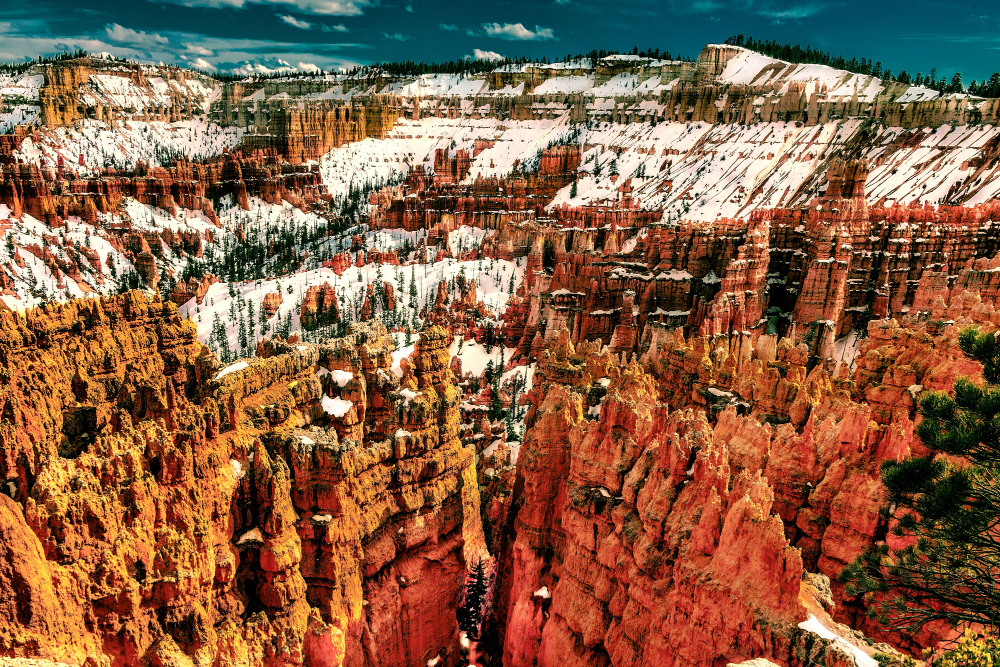
The Grand Canyon of the East Georgia is a nickname for Providence Canyon State Park, located in southwest Georgia near Lumpkin. This stunning natural attraction features deep gullies, towering cliffs, and colorful sediment layers that resemble a miniature version of the Grand Canyon.
Unlike Arizona’s canyon, which formed naturally over millions of years, Providence Canyon was largely shaped by human activity in the 1800s. Poor farming practices led to severe soil erosion, which eventually created massive gullies up to 150 feet deep. Over time, nature transformed this environmental mistake into a breathtaking landscape.
Today, Providence Canyon is one of Georgia’s most unique geological landmarks and a must-visit destination for outdoor enthusiasts.
The Fascinating History Behind Providence Canyon
While it may look ancient, much of Providence Canyon’s dramatic landscape formed within the last 200 years.
How Did It Form?
In the early 19th century, farmers in the area cleared land for cotton cultivation. Without proper soil conservation techniques, heavy rains washed away the topsoil. This erosion carved deep trenches into the soft Coastal Plain soil, creating the canyon-like formations we see today.
Although it began as an environmental disaster, nature turned the damage into something extraordinary. The exposed soil layers reveal stunning bands of color that make the canyon visually spectacular.
State Park Designation
Providence Canyon officially became a Georgia state park in 1971. Since then, conservation efforts have helped preserve the site while allowing visitors to experience its beauty responsibly.
Why Is It Called the Grand Canyon of the East?
The nickname “Grand Canyon of the East Georgia” comes from the canyon’s striking resemblance to the famous canyon in the American Southwest.
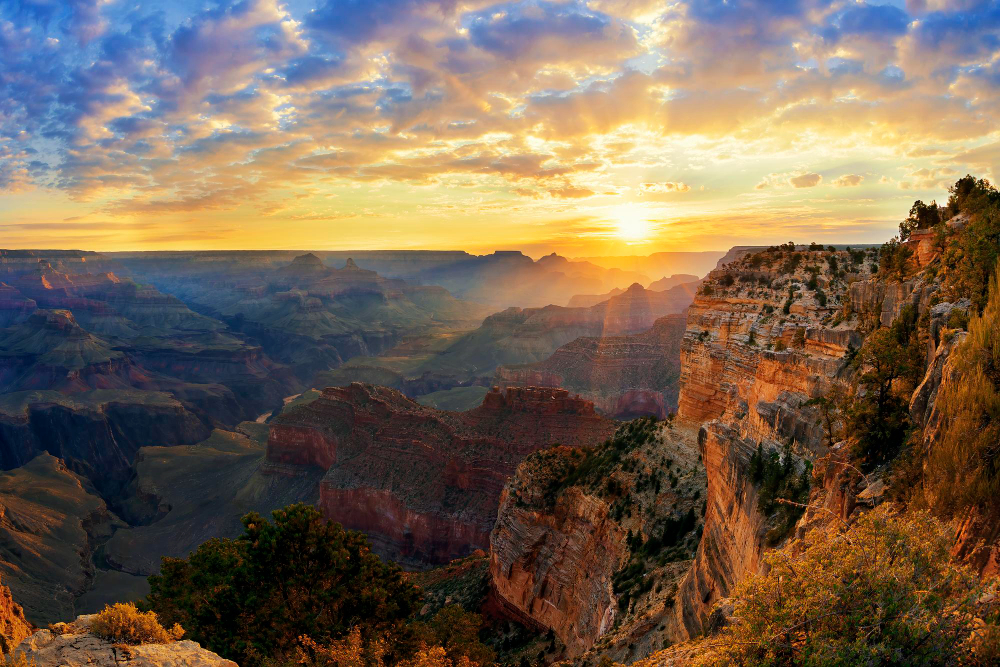
Grand Canyon
While much smaller in scale, Providence Canyon shares several visual similarities with the Grand Canyon:
- Colorful sedimentary layers
- Steep canyon walls
- Dramatic photography opportunities
- Hiking trails along canyon rims
The vibrant hues—ranging from pink and red to purple and orange—are caused by varying mineral content in the soil. These colors are especially vivid during sunrise and sunset.
Location and How to Get There
Providence Canyon State Park is located in Stewart County, Georgia, near the small town of Lumpkin.
Driving Directions
- About 45 minutes from Columbus, Georgia
- Around 2.5 hours from Atlanta
- Easily accessible by car with on-site parking
Because it is somewhat remote, it’s best to bring supplies such as water, snacks, and comfortable hiking gear.
Top Things to Do at the Grand Canyon of the East Georgia
Whether you’re visiting for a few hours or planning a weekend adventure, there are plenty of activities to enjoy.
1. Hiking the Canyon Loop Trail
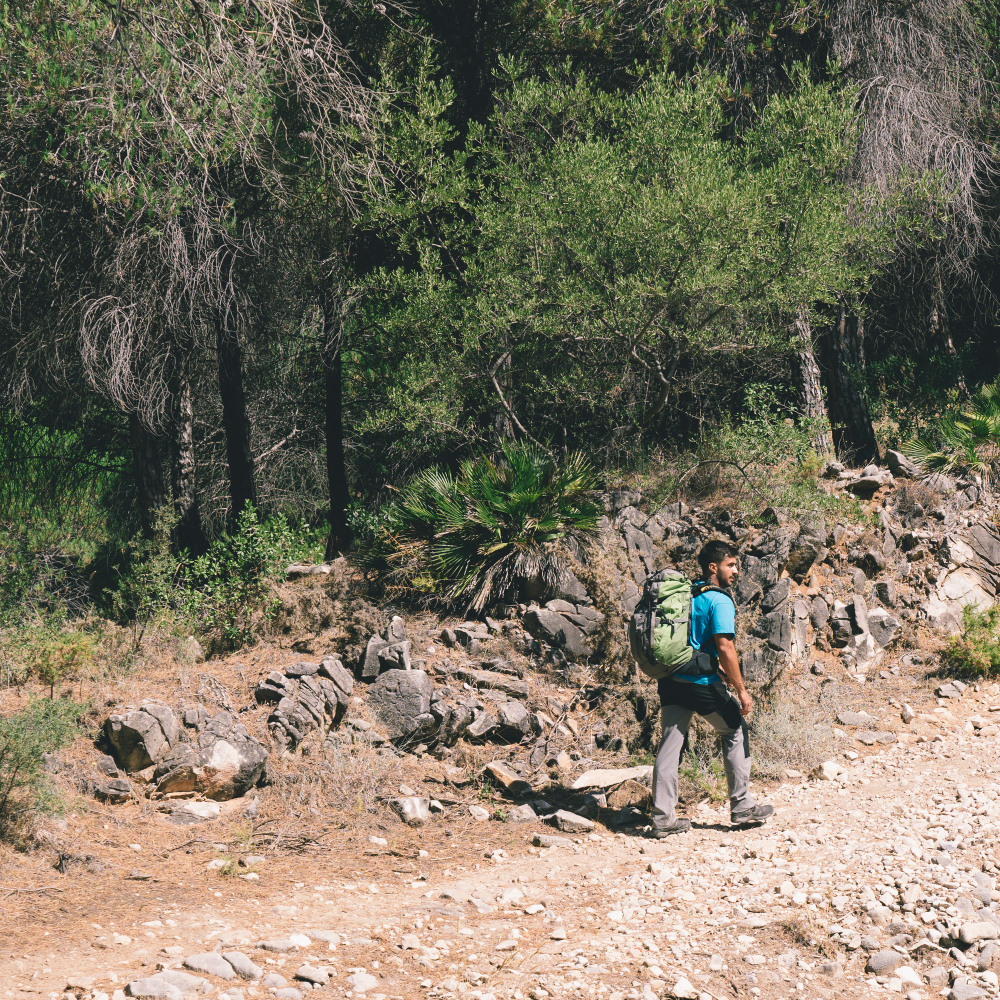
The most popular trail in the park is the Canyon Loop Trail, a moderate 2.5-mile hike that takes you around the rim and down into the canyon floor.
Highlights include:
- Up-close views of the colorful gullies
- Unique rock formations
- Scenic overlooks perfect for photography
The trail can be muddy after rain, so proper footwear is essential.
2. Backpacking and Camping
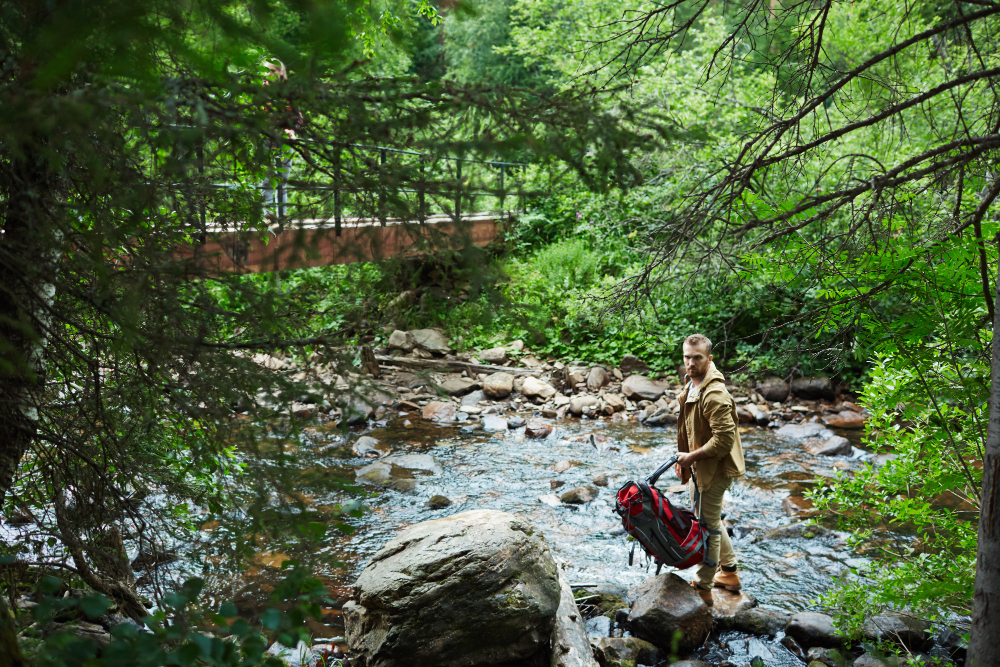
Providence Canyon offers backcountry camping for those who want a more immersive experience. Camping sites are located along the rim trail and provide peaceful forest surroundings.
Camping here allows you to:
- Experience sunrise over the canyon
- Enjoy stargazing in a low-light area
- Avoid daytime crowds
Permits are required for overnight stays.
3. Photography Opportunities
Photographers love the Grand Canyon of the East Georgia because of its vibrant soil layers and dramatic landscape.
Best times for photos:
- Early morning for soft lighting
- Late afternoon for golden hues
- After rainfall for enhanced color contrast
The canyon walls glow with rich tones that create stunning compositions for both amateur and professional photographers.
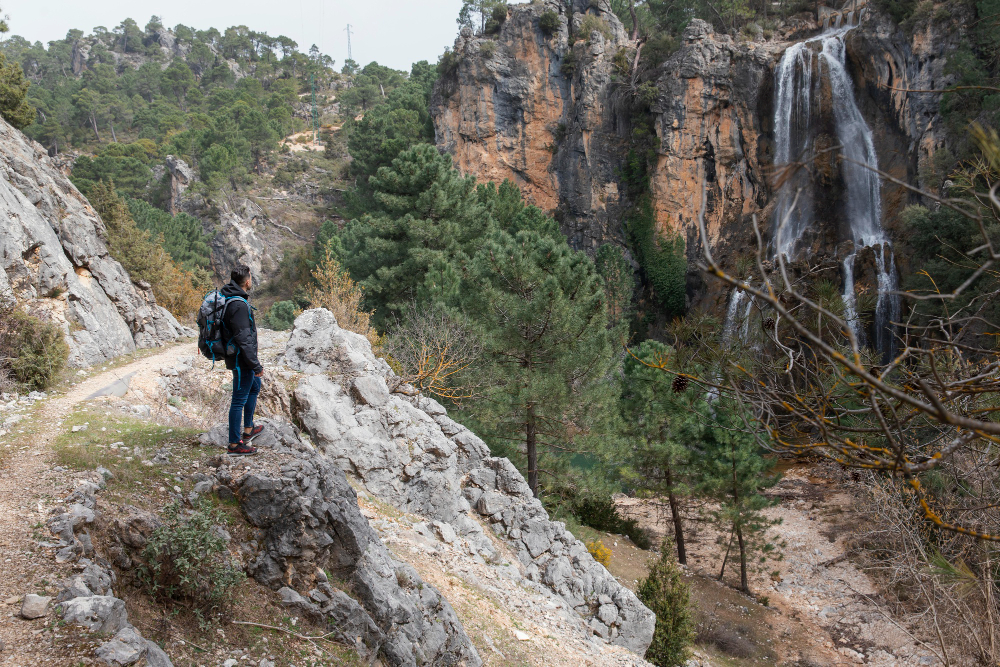
4. Wildlife and Nature Exploration
Beyond the canyon itself, the park features diverse ecosystems including forests and wildflower fields.
You may encounter:
- Deer
- Songbirds
- Butterflies
- Native Georgia plants
Spring is particularly beautiful when wildflowers bloom throughout the park.
Geological Features of Providence Canyon
One of the most fascinating aspects of the Grand Canyon of the East Georgia is its geology.
Colorful Sediment Layers
The canyon walls reveal layers of:
- Iron-rich clay (reds and oranges)
- Kaolin deposits (white and pale tones)
- Sand and silt layers
These layers tell a story of ancient coastal environments that existed millions of years ago.
Gullies and Ravines
There are over 16 distinct gullies within the park, each with its own unique shape and color pattern. Some are accessible for exploration, while others are protected to prevent further erosion.
Best Time to Visit the Grand Canyon of the East Georgia
Each season offers a different experience:
Spring
- Mild temperatures
- Blooming wildflowers
- Ideal hiking conditions
Summer
- Vibrant colors after rain
- Warmer weather
- Fewer crowds during weekdays
Fall
- Cooler temperatures
- Autumn foliage contrast against red canyon walls
- Perfect photography season
Winter
- Crisp air
- Clear visibility
- Quiet, peaceful atmosphere
Spring and fall are generally considered the best times to visit due to comfortable weather.
Travel Tips for Visiting Providence Canyon
To make the most of your visit to the Grand Canyon of the East Georgia, keep these tips in mind:
Wear Proper Footwear
Trails can be steep and slippery, especially after rain.
Bring Plenty of Water
Georgia’s climate can be hot and humid.
Stay on Marked Trails
Protecting the fragile soil formations is crucial.
Check Weather Forecasts
Heavy rain can impact trail conditions.
Arrive Early
Morning visits offer cooler temperatures and better lighting.
Is the Grand Canyon of the East Georgia Family-Friendly?
Yes, Providence Canyon is suitable for families with older children who can manage moderate hiking terrain. However, because some areas are steep and uneven, it may not be ideal for strollers or very young kids.
Families can enjoy:
- Educational geology exploration
- Outdoor picnics
- Nature observation
It’s a great way to combine fun and learning in a natural setting.
Comparing Providence Canyon to Other “Grand Canyon of the East” Locations
Interestingly, several places in the eastern United States are sometimes called the “Grand Canyon of the East.” However, Georgia’s Providence Canyon stands out due to its vibrant soil colors and unique origin story.
Unlike mountainous gorges formed by rivers, Providence Canyon was shaped primarily by erosion caused by agricultural practices, making it a rare example of human-influenced geology turning into a natural attraction.
Why Providence Canyon Is Worth Visiting
Here are a few reasons why the Grand Canyon of the East Georgia deserves a spot on your travel bucket list:
- Unique geological history
- Stunning, colorful landscapes
- Affordable state park access
- Less crowded than major national parks
- Excellent hiking and photography
It’s an ideal destination for travelers looking for natural beauty without the crowds of larger tourist hotspots.
Frequently Asked Questions About the Grand Canyon of the East Georgia
Is Providence Canyon as big as the Grand Canyon?
No, it is much smaller, but its colorful soil layers create a visually similar experience on a smaller scale.
How long does it take to explore?
Most visitors spend 2–4 hours hiking and exploring. Campers may stay overnight.
Is there an entrance fee?
Yes, there is a small state park parking fee.
Can you hike inside the canyon?
Yes, designated gullies are open for exploration, but visitors should follow park guidelines.
Final Thoughts on the Grand Canyon of the East Georgia
The Grand Canyon of the East Georgia, better known as Providence Canyon State Park, is one of the Southeast’s most fascinating natural attractions. What began as a farming mistake has transformed into a geological masterpiece that attracts thousands of visitors each year.